
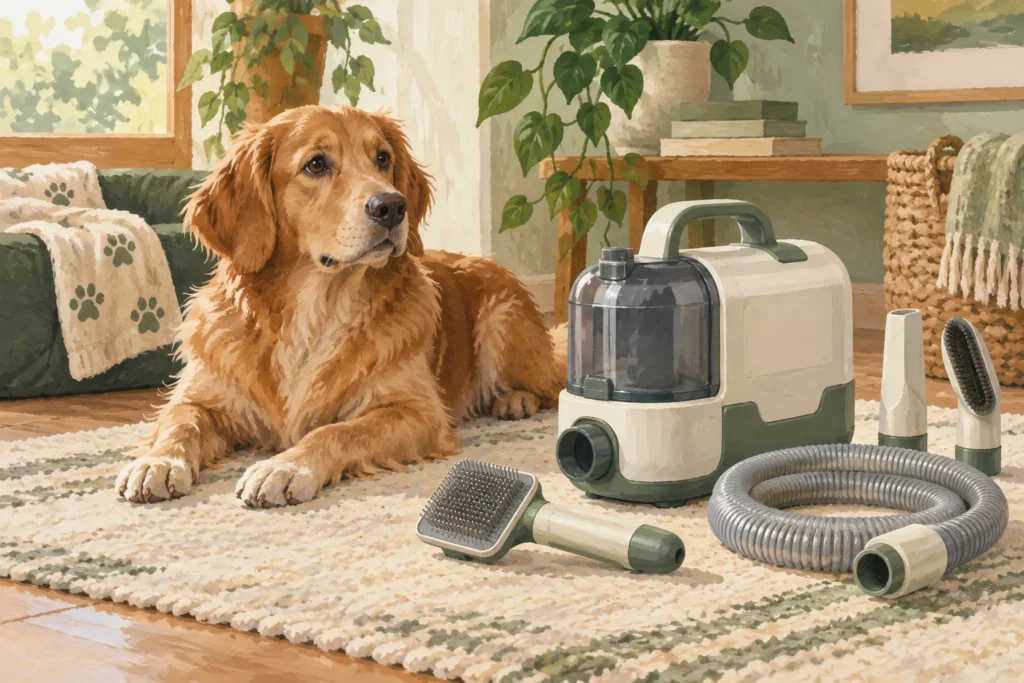
Dog grooming vacuum kits: useful features and limits before buying
Assess dog grooming vacuum kits by noise, attachments, hose reach and cleaning. Understand their limits before buying one for your dog and coat type.

Assess dog grooming vacuum kits by noise, attachments, hose reach and cleaning. Understand their limits before buying one for your dog and coat type.
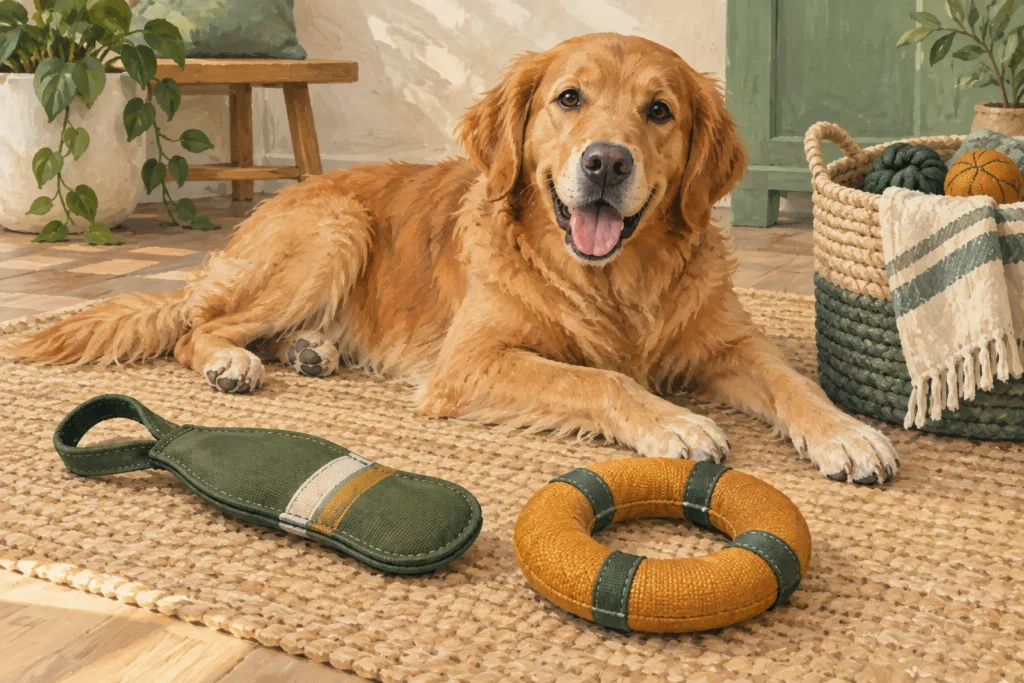
Compare stuffing-free dog toys by seams, squeakers and play style. Understand why less loose filling does not mean indestructible or safe for every chewer.
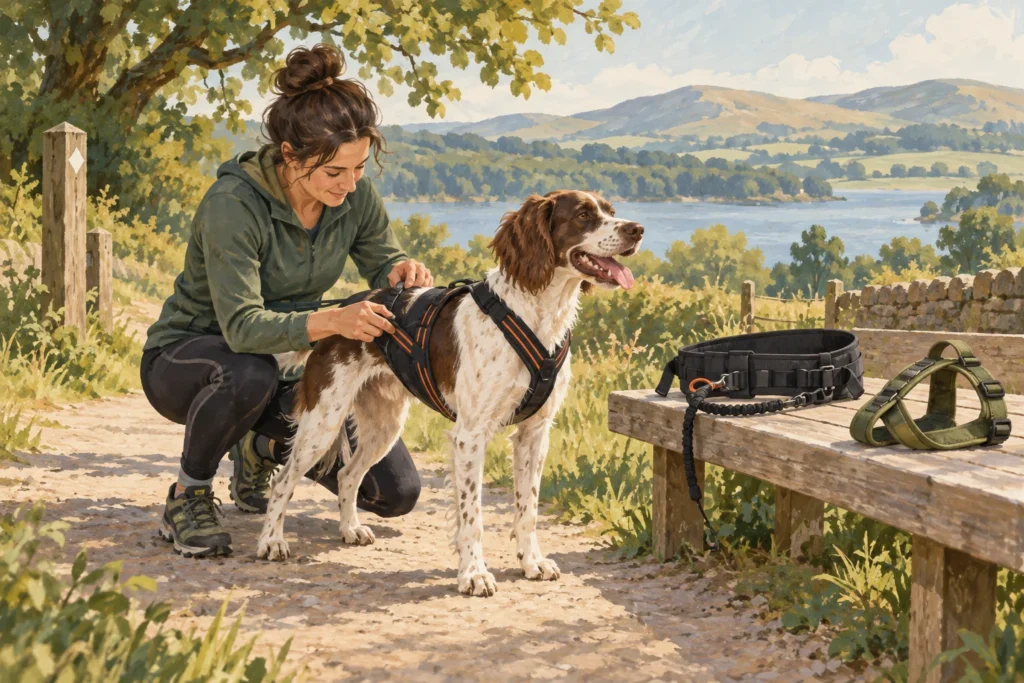
A canicross harness must be suitable for the dog moving ahead and pulling against a line attached to the runner. An everyday walking harness may be designed mainly for loose-lead use and close control. Choose the intended pulling geometry and individual fit, rather than assuming any padded harness can do both jobs.
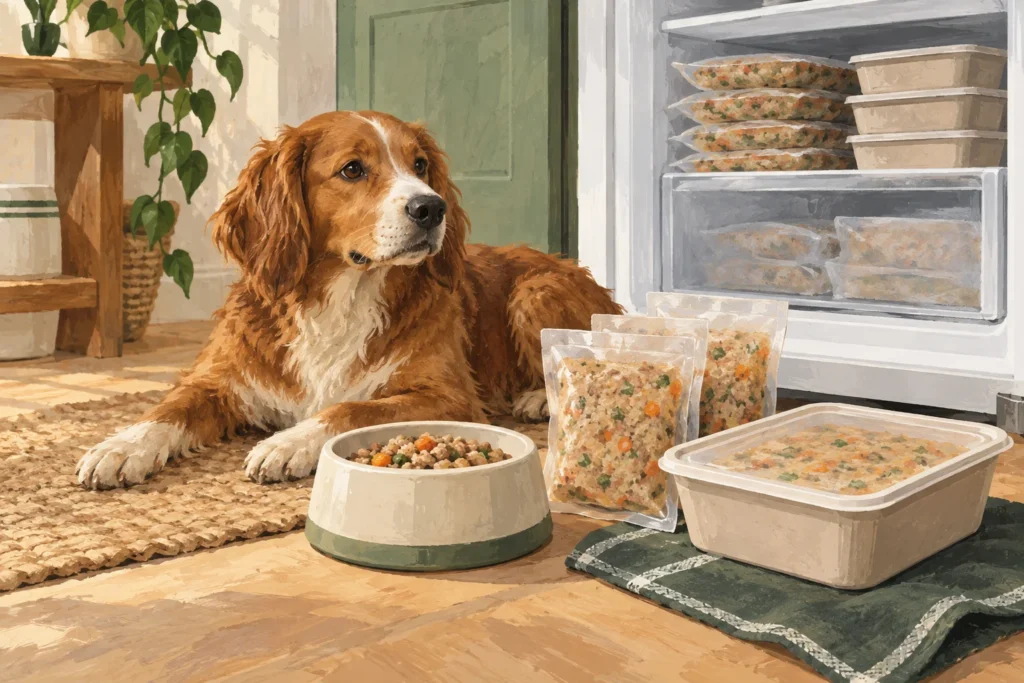
Butternut Box vs Different Dog is a comparison between two cooked-food subscriptions with personalised feeding plans. The decision turns on whether the selected meals suit your dog, the regular cost of feeding the same proportion of their diet and how easily deliveries fit your freezer. Neither deserves an automatic win because its marketing sounds fresher.

Before adopting a dog, ask what the rescue knows, how it knows it and what support is available after the dog comes home. Focus on the match between this dog’s needs and your household. A useful conversation includes uncertainty rather than asking for promises that no organisation can responsibly make.
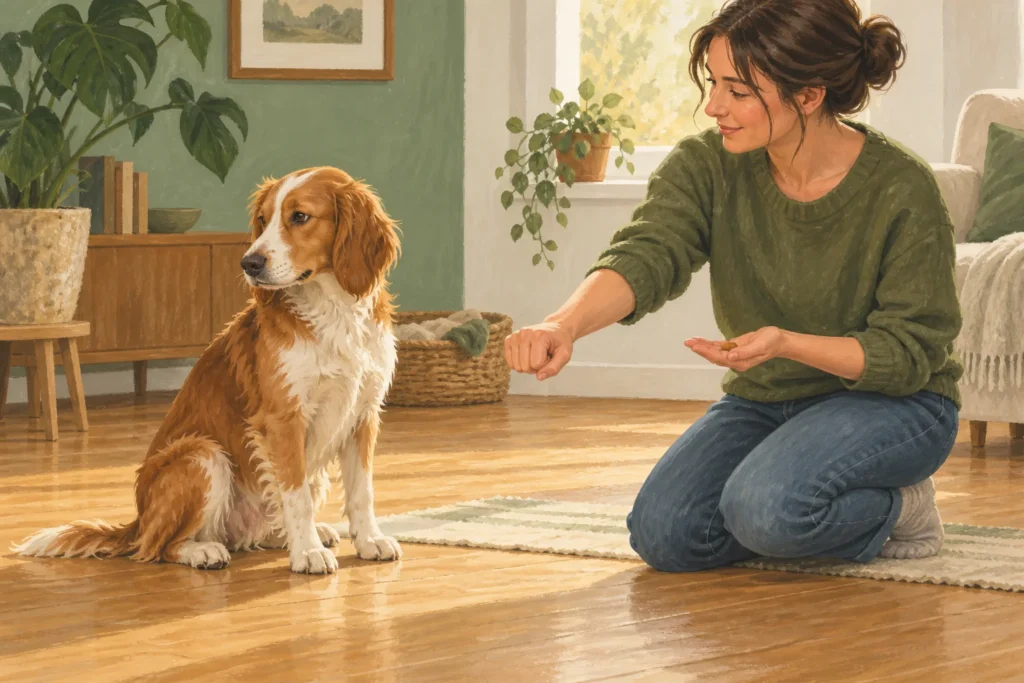
Teaching leave it means rewarding your dog for turning away from something before picking it up. Begin with a safe, uninteresting object and a better reward, then build the skill gradually. The cue supports good management; it is not permission to leave dangerous items accessible or test the dog with real hazards.