
Table of Contents
Why Does My Dog Dig? Understanding the Root Causes
Digging is a perfectly natural behaviour for dogs. But when it’s directed at your prized petunias, it quickly becomes a problem! Understanding why your dog is digging is the first step to finding a solution. There are several common reasons:
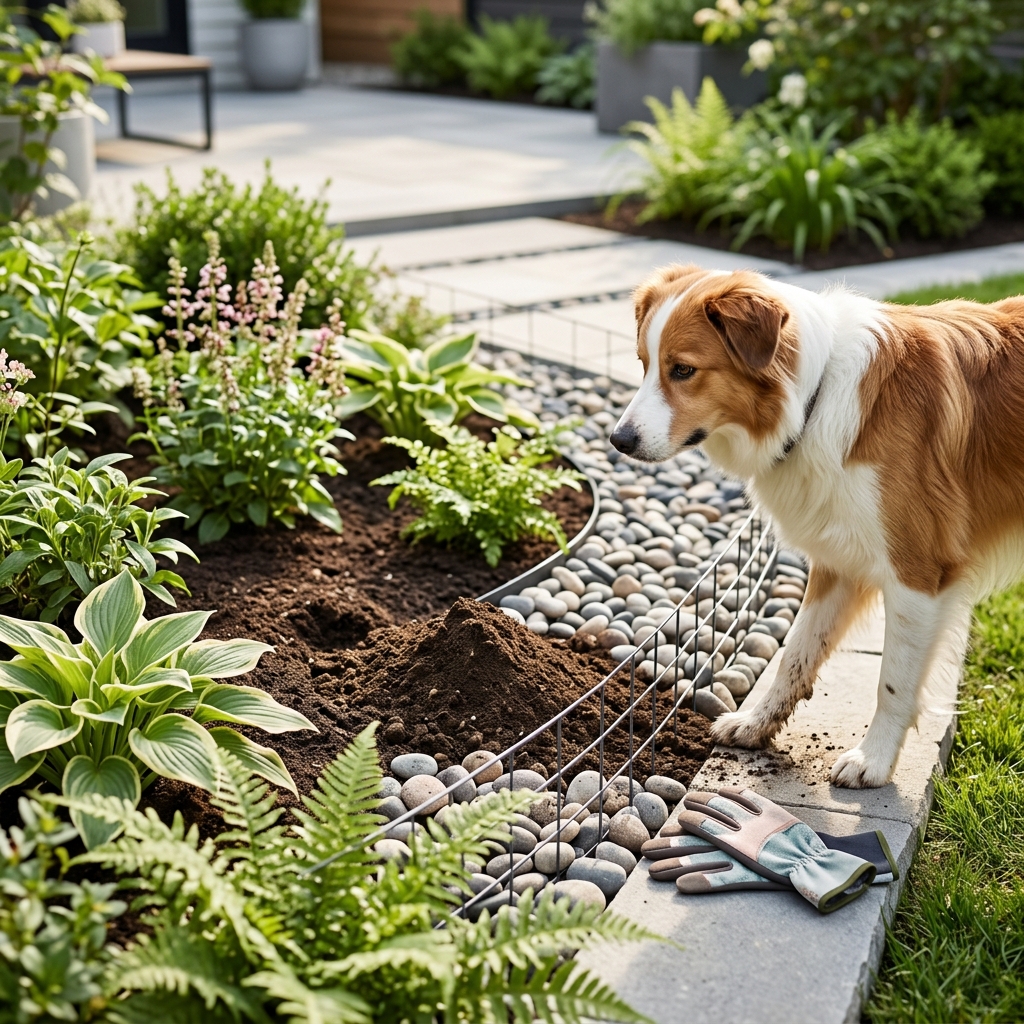
- Instinct: Many breeds were originally bred to dig – Terriers to hunt vermin, hounds to create cool resting spots. This instinct remains strong.
- Boredom: A lack of mental and physical stimulation can lead to destructive behaviours, including digging.
- Anxiety: Dogs experiencing separation anxiety or general stress might dig as a coping mechanism.
- Seeking Coolness/Warmth: Dogs will dig to find cooler earth in the summer or create a warmer den in the winter.
- Breed Predisposition: As mentioned, certain breeds (Jack Russell Terriers, Border Collies, Dachshunds) are far more prone to digging than others.
- Hunting: If your dog smells or hears something interesting underground (moles, voles, insects), they’ll likely dig to investigate.
Identifying the cause will guide your approach. Is it purely instinctual, or is there an underlying behavioural issue?
Immediate Solutions: Deterrents & Quick Fixes
These are temporary measures to discourage digging in specific areas while you work on a longer-term solution.
- Scent Deterrents: Dogs dislike certain smells. Consider spraying areas with diluted citrus solutions (lemon juice, orange peel infused water – always test a small area first!). Products like Sentry Stop That! Spray (£8.75) are specifically designed for this purpose.
- Physical Barriers (Temporary Fencing): Use low fencing or netting to block access to vulnerable areas.
- Cover Vulnerable Spots: Place paving slabs, large stones, or chicken wire flat over areas your dog likes to dig.
- Bury Distractions: Some owners have success burying old toys or bones in areas they *want* their dog to dig, redirecting the behaviour.
Important Note: Avoid using harmful substances like chilli powder or mothballs as deterrents. These can be toxic to your dog.
Creating a Designated Digging Zone
This is often the most effective long-term solution. By providing a dedicated digging space, you’re acknowledging your dog’s natural instinct and redirecting it to an acceptable outlet.
Setting Up the Zone
- Location: Choose a relatively secluded area of the garden.
- Size: Approximately 1m x 1m is a good starting point, but adjust based on your dog’s size and energy levels.
- Materials: Fill the zone with loose, diggable material. Sand is popular, but a mix of topsoil and peat-free compost also works well. Avoid materials with sharp stones.
- Appeal: “Seed” the zone with some buried toys or treats to encourage initial use.
Regularly replenish the digging material as it gets dispersed around the garden.
Enrichment & Exercise: Addressing Boredom & Anxiety
If boredom or anxiety is the root cause, increasing mental and physical stimulation is crucial.
- Interactive Toys: Trixie Dog Activity Fun Board (£35.99) provides mental challenges.
- Puzzle Feeders: Slows down eating and provides mental stimulation.
- Training: Regular training sessions (even 10-15 minutes a day) can tire your dog out mentally.
- Exercise: Ensure your dog gets sufficient physical exercise – walks, runs, fetch, etc. – appropriate for their breed and age.
- Socialisation: Regular interaction with other dogs and people can help alleviate anxiety.
- Kong Toys: A classic for a reason! Fill a Kong Classic Dog Toy (£12.99) with peanut butter (xylitol-free!) or dog treats to keep your dog occupied.
- Hide-and-Seek: Hide treats or toys around the garden (or house) for your dog to find. Outward Hound Hide-A-Squirrel Plush Puzzle Toy (£21.0) is a great option.
Physical Barriers: Protecting Your Garden Long-Term
For more permanent protection, consider these physical barriers:
| Barrier Type | Pros | Cons | Approximate Cost |
|---|---|---|---|
| Buried Wire Mesh | Effective at preventing digging, relatively discreet. | Labour-intensive to install, can be damaged by roots. | £50 – £150 (depending on area covered) |
| Landscaping Fabric | Prevents digging, allows water drainage. | Can be unsightly if visible, may need replacing over time. | £30 – £80 (depending on area covered) |
| Raised Garden Beds | Protects plants, aesthetically pleasing. | Can be expensive to build, not suitable for all garden layouts. | £100 – £500+ (depending on size and materials) |
| Fencing | Provides a clear boundary, can be aesthetically pleasing. | Can be expensive, may obstruct views. A Garden Fence Roll (1m x 10m) (£24.5) is a cost effective starting point. | £50 – £500+ (depending on length and style) |
Training Techniques: ‘Leave It’ & Recall
Positive reinforcement training is key. Teaching your dog “leave it” and a strong recall command can prevent digging before it starts.
‘Leave It’
- Hold a treat in your hand and let your dog sniff it.
- Close your hand tightly and say “Leave it”.
- When your dog stops trying to get the treat, open your hand and give them a different, higher-value treat.
- Gradually increase the difficulty by placing the treat on the ground.
Recall
- Start in a quiet, enclosed area.
- Say your dog’s name followed by “Come!”.
- When your dog comes to you, reward them with praise and a treat.
- Gradually increase the distance and distractions.
Practice these commands regularly in the garden, and reward your dog for ignoring digging spots.
When to Seek Professional Help
Sometimes, digging is a symptom of a deeper behavioural issue. Consult a vet or qualified dog trainer if:
- The digging is compulsive and relentless.
- Your dog exhibits other signs of anxiety (panting, pacing, destructive behaviour).
- You suspect separation anxiety.
- The problem persists despite your best efforts.
A professional can help identify the underlying cause and develop a tailored behaviour modification plan. For more extensive garden control, a PetSafe Wireless Containment System (£199.99) can provide peace of mind.
FAQ
Q: My dog only digs when I’m not home. What does that mean?
This strongly suggests separation anxiety. Your dog may be digging as a way to relieve stress or escape. Seek professional help.
Q: Is digging normal for puppies?
Yes, puppies explore the world with their mouths and paws. Digging is often part of this exploration. Provide a designated digging zone and redirect their behaviour when they dig elsewhere.
Q: How can I protect my garden without harming my dog?
Avoid using toxic chemicals or harmful deterrents. Focus on positive reinforcement training, physical barriers, and providing adequate enrichment and exercise.
Q: My dog digs up plants I’ve just planted! How can I stop this?
Protect newly planted areas with temporary fencing or wire mesh. Consider using raised garden beds to keep plants out of reach. Teach your dog “leave it” and reward them for staying away from the new plants.
Q: How long will it take to stop my dog digging?
It depends on the cause of the digging and your dog’s temperament. Be patient and consistent with your training and management strategies. Some dogs may take weeks or months to break the habit.