
Bringing a new puppy into your life is a joyous occasion. But alongside the cuddles and playful antics comes a significant responsibility: socialization. This guide provides a comprehensive overview of puppy socialization classes in the UK, helping you equip your furry friend for a lifetime of confidence and well-being. We’ll cover everything from why it’s crucial to finding the right class and what to expect.
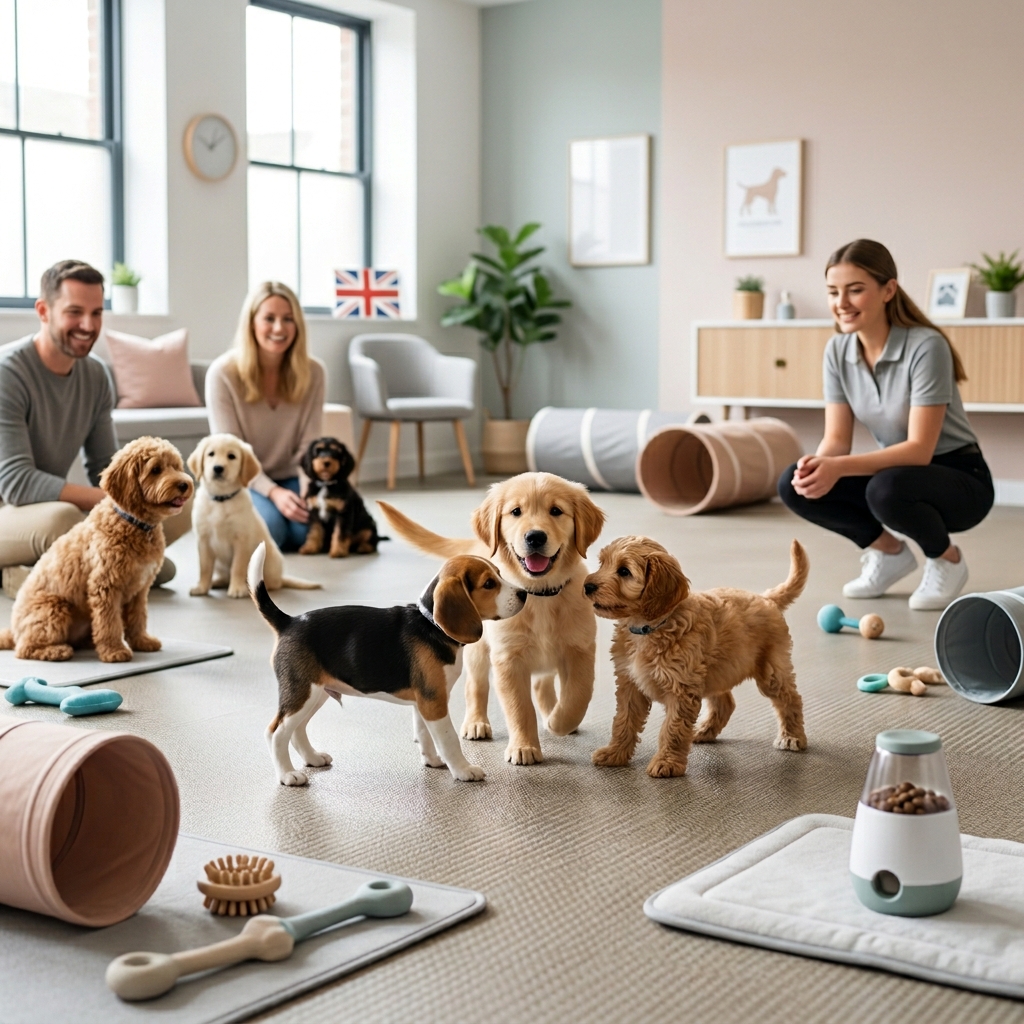
Table of Contents
Why Puppy Socialization Classes Are Crucial
The first 16 weeks of a puppy’s life represent a critical socialization period. During this time, puppies are most receptive to new experiences, people, sounds, and other animals. Positive experiences during this phase are fundamental in shaping their emotional and behavioural development. Without adequate socialization, puppies are at a higher risk of developing fear, anxiety, and aggression later in life.
Recent statistics (2025 data from the RSPCA) indicate that behavioural issues are the leading cause of dog rehoming in the UK, with approximately 25% of dogs rehomed due to anxiety-related problems. A further 18% are rehomed due to aggression, often stemming from a lack of early socialization. Investing in socialization classes isn’t just about a happy puppy; it’s about preventing potentially serious behavioural problems and ensuring a harmonious life together.
What Happens in a Typical Puppy Socialization Class?
Puppy socialization classes aren’t just about letting puppies play together (although that’s a component!). A well-structured class will focus on carefully managed exposure to various stimuli. Here’s a breakdown of what you can typically expect:
- Controlled Introductions: Puppies are introduced to each other in a supervised environment, allowing them to learn appropriate play behaviour and social cues.
- People Encounters: Exposure to people of different ages, genders, appearances (hats, glasses, umbrellas) helps puppies learn that not everyone is a threat.
- Handling Exercises: The instructor will guide you through handling exercises, teaching your puppy to accept being touched, examined, and groomed. This is vital for vet visits and general care.
- Basic Obedience: Introduction to basic commands like ‘sit’, ‘stay’, and ‘recall’ using positive reinforcement techniques. This builds a foundation for further training.
- Sound Desensitization: Exposure to common household and environmental sounds (vacuum cleaners, traffic, fireworks – played at low volume initially) helps prevent noise phobias.
- Sight Exposure: Introducing puppies to a variety of sights, such as bicycles, prams, and different surfaces (e.g., metal grates, mats) in a safe and controlled manner.
Crucially, all reputable classes prioritize positive reinforcement. This means rewarding desired behaviours with treats, praise, and toys, rather than using punishment or force.
Finding Puppy Classes Near You: UK Resources
Several organizations and resources can help you find suitable puppy socialization classes:
- The Kennel Club Accredited Instructor Scheme: https://www.thekennelclub.org.uk/accredited-instructors/ – Provides a directory of instructors who have met The Kennel Club’s standards.
- Association of Pet Dog Trainers (APDT): https://www.apdt.co.uk/ – A professional organisation with a directory of qualified trainers.
- IMDT (Institute of Modern Dog Trainers): https://www.imdt.uk.com/ – Focuses on reward-based training and behaviour modification.
- Local Council Websites: Many local councils list dog training classes and resources on their websites.
- Online Directories: Websites like Yell.com and local Facebook groups can also be helpful, but always check the instructor’s credentials.
When searching, use your postcode to filter results and consider whether you’d prefer a breed-specific class (some instructors specialize in particular breeds) or a general puppy class.
Cost of Puppy Socialization Classes in the UK (2026)
The cost of puppy socialization classes varies depending on the location, class length, instructor qualifications, and group size. Here’s a breakdown of typical prices (as of late 2026):
| Class Type | Typical Duration | London | Manchester | Other Major Cities (e.g., Birmingham, Bristol) | Rural Areas |
|---|---|---|---|---|---|
| Basic Puppy Class | 6-8 weeks | £120 – £180 | £90 – £140 | £80 – £130 | £70 – £110 |
| Advanced Puppy Class | 4-6 weeks (following basic) | £100 – £150 | £75 – £120 | £70 – £110 | £60 – £90 |
| Specialist Class (e.g., Shy Puppy) | 6-8 weeks | £150 – £220 | £110 – £160 | £100 – £150 | £90 – £130 |
These prices are approximate. Larger group sizes often mean lower costs, but also less individual attention. Classes led by highly qualified and experienced instructors may command a premium.
What to Look for in a Puppy Socialization Instructor
Choosing the right instructor is paramount. Look for:
- Qualifications: Accreditation from organizations like the IMDT, APDT, or The Kennel Club is a good sign.
- Experience: An experienced instructor will be able to handle a variety of puppy personalities and behavioural challenges.
- Class Size: Smaller class sizes (ideally 6-8 puppies) allow for more individual attention and a safer environment.
- Safety Protocols: The instructor should have clear protocols for managing puppy behaviour and preventing conflict. Vaccination certificates should be checked.
- Teaching Philosophy: Ensure the instructor uses positive reinforcement methods. Avoid anyone who advocates punishment-based techniques.
Red Flags: Avoid classes that seem chaotic, overcrowded, or where puppies are being scolded or punished.
Preparing Your Puppy for Their First Class
Before attending your first class, ensure your puppy meets the following criteria:
- Vaccinations: Your puppy must be up-to-date on their vaccinations, as required by the class provider.
- Health Check: A vet check is recommended to ensure your puppy is healthy and fit to participate.
- Essentials: Bring a well-fitting lead (Ancol Reflective Dog Lead – £15.49 is a good choice), a comfortable collar, high-value treats (Lily’s Kitchen Puppy Training Treats – £6.99), and a favourite toy (Kong Classic Dog Toy – £12.99).
- Desensitization: Start desensitizing your puppy to car rides, handling (touching paws, ears, mouth), and different surfaces before the class.
If your puppy is anxious, use calming aids like Adaptil spray or a calming chews (consult your vet first). A comforting item like a familiar blanket can also help.
Continuing Socialization After Classes End
Socialization doesn’t end when the classes finish! Ongoing exposure to new experiences is crucial for maintaining your dog’s confidence. Ideas include:
- Puppy Playdates: Arrange playdates with other vaccinated puppies in a safe environment.
- Walks in Different Environments: Gradually introduce your puppy to different parks, streets, and environments.
- Exposure to Different People and Animals: Allow your puppy to meet people of all ages and friendly, well-behaved dogs.
- Positive Experiences: Focus on creating positive associations with new experiences.
Socialization is a lifelong process. Continue to expose your dog to new stimuli throughout their life to prevent fear and anxiety from developing.
Troubleshooting: What If My Puppy Is Shy or Scared?
It’s common for puppies to be shy or scared in a new environment. Never force interaction! Allow your puppy to approach things at their own pace. Encourage them with treats and praise when they show curiosity.
If your puppy is overwhelmed, remove them from the situation and provide comfort. Talk to the instructor for advice on how to support your puppy. In severe cases of anxiety or fear, consult a veterinary behaviourist. A Rogz Utility Plus Harness (£29.99) can be useful for added control and reassurance during walks.
Using a PetSafe Clicker Trainer (£8.99) can help you mark positive behaviours, even small ones, and build confidence.
FAQ
- How old should my puppy be to start socialization classes? Ideally, between 8 and 16 weeks old. This is the critical socialization period.
- What if my puppy isn’t fully vaccinated? Most classes require proof of full vaccination. However, some providers offer ‘pre-vaccination’ classes where puppies can socialise in a carefully controlled and disinfected environment.
- How long should socialization classes last? A typical course lasts 6-8 weeks, with classes usually lasting between 45-60 minutes.
- What if my puppy gets overwhelmed during a class? Remove your puppy from the situation and provide a safe and comforting space. Inform the instructor so they can provide support.
- Can I continue socializing my puppy after the classes finish? Absolutely! Ongoing socialization is crucial for maintaining a well-adjusted dog.