
Table of Contents
As an Amazon Associate, we earn from qualifying purchases. This means we may receive a small commission at no extra cost to you when you buy through links on this page.
Understanding Dog Separation Anxiety
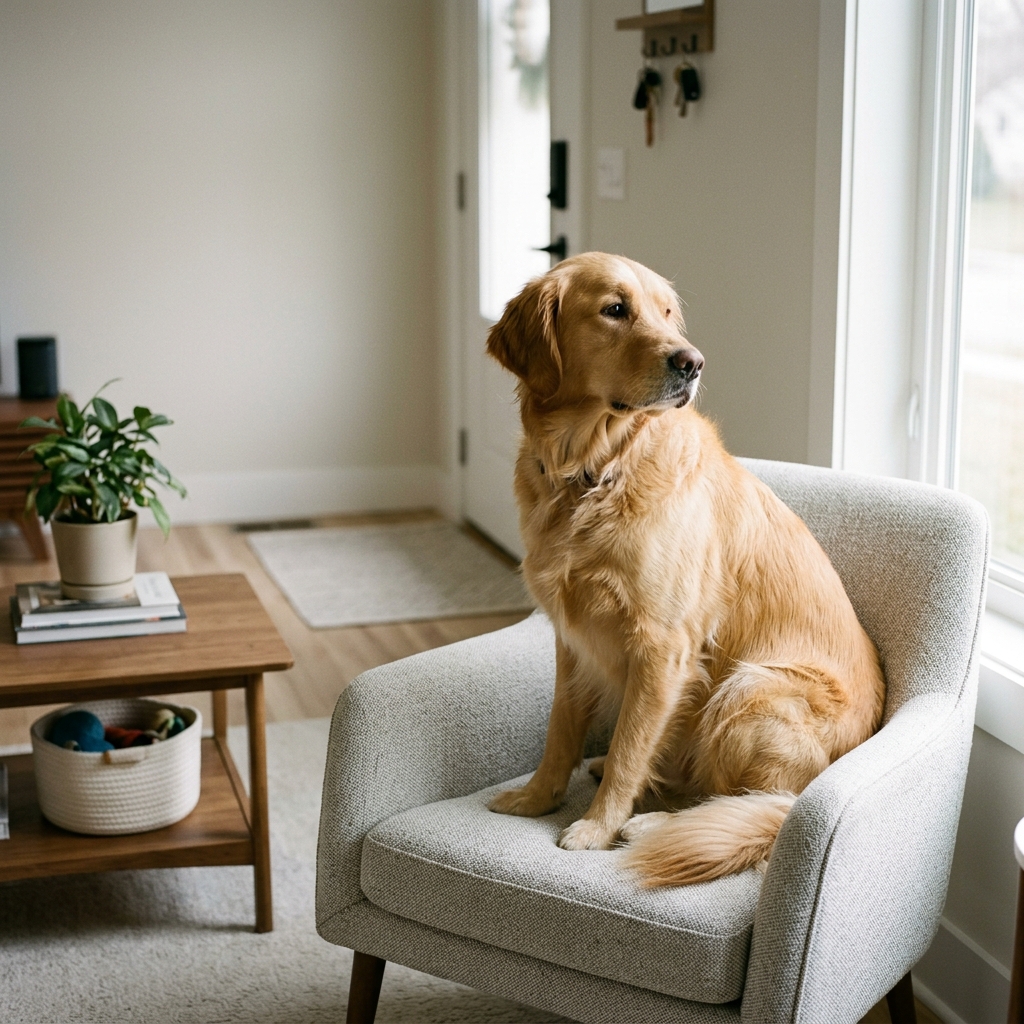
Separation anxiety in dogs is a distressing condition characterised by extreme anxiety and behavioural changes when left alone. It’s far more than just a bit of whining; it can manifest in significant ways that impact both your dog’s wellbeing and your home. Common signs include destructive behaviour (chewing furniture, scratching doors), excessive barking or howling, pacing, and toileting accidents even in house-trained dogs.
Common Signs and Symptoms
- Destructive behaviour: Chewing, digging, scratching.
- Excessive vocalisation: Barking, howling, whining.
- Pacing: Restlessness and inability to settle.
- Toileting accidents: Urination or defecation inside, despite being house-trained.
- Salivation, drooling, and panting.
- Attempts to escape.
- Self-harm (rare, but possible).
Differentiating Between Separation Anxiety and Boredom
It’s crucial to distinguish separation anxiety from simple boredom. A bored dog might chew things up, but it’s usually opportunistic and not specifically triggered by your absence. Separation anxiety is directly linked to being left alone, often starting shortly after you leave or anticipating your departure. A bored dog is generally more content when you *are* home, but an anxious dog might still be clingy and on edge even with you present.
Why Does Separation Anxiety Develop?
Several factors contribute to the development of separation anxiety. It’s often rooted in a change in the dog’s routine, a stressful event, or a lack of early habituation to being alone. Some dogs become overly attached to their owners, leading to distress when separated.
Identifying the Root Causes
Exploring Potential Triggers
Pinpointing the cause is key to effective treatment. Common triggers include:
- Changes in routine: A new work schedule, a change in family members’ working hours, or a relocation.
- Moving house: A new environment can be incredibly stressful for a dog.
- New family members: A new baby or another pet can disrupt the established dynamic.
- Previous trauma: Abandonment or rehoming can leave lasting emotional scars.
The Role of Breed Predisposition
While any dog can develop separation anxiety, some breeds are more prone to it. Herding breeds (like Border Collies and Australian Shepherds) and working breeds (like German Shepherds) often form strong bonds and can be more sensitive to separation. However, this doesn’t mean these breeds *will* develop anxiety – it simply means they might be at a slightly higher risk.
Is it a Medical Issue? When to Consult a Vet.
Before assuming separation anxiety, rule out any underlying medical conditions. Increased thirst, urination, or appetite changes can mimic anxiety symptoms. A vet can perform a physical exam and blood tests to ensure there isn’t a medical cause. Your vet can also advise on whether medication might be a helpful part of a behaviour modification plan.
Immediate Steps to Reduce Anxiety
Creating a Safe and Comfortable Space
Designate a ‘safe space’ for your dog – a comfortable bed in a quiet room. This should be a place where they feel secure and relaxed, away from high-traffic areas. Include familiar toys and their favourite blanket.
Providing Plenty of Enrichment
A tired dog is a good dog! Ensure your dog gets plenty of physical and mental stimulation before you leave. Long walks, playtime, and puzzle toys can help expend energy and reduce anxiety.
Calming Scents and Sounds
Certain scents and sounds can have a calming effect. Consider using a diffuser with lavender or chamomile essential oils (ensure they are pet-safe!). Classical music or specially designed dog-calming music can also be helpful.
The Importance of a Predictable Routine
Dogs thrive on routine. Maintain a consistent feeding, walking, and playtime schedule as much as possible. This helps them feel secure and reduces uncertainty.
Gradual Departures and Arrivals – Minimising Fuss
Avoid making a big deal out of leaving or returning. A calm departure and arrival signals to your dog that it’s not a stressful event. Start with very short absences (a few seconds) and gradually increase the duration.
Training Techniques for Separation Anxiety
Desensitisation and Counterconditioning: Step-by-Step Guide
- Start small: Begin by making the cues for departure (picking up keys, putting on shoes) without actually leaving. Do this repeatedly until your dog no longer reacts.
- Short absences: Leave for just a few seconds, then return calmly.
- Gradually increase duration: Slowly increase the length of your absences, from seconds to minutes to hours.
- Counterconditioning: Pair your departures with something positive, like a long-lasting chew toy or a puzzle feeder.
Teaching Your Dog to Be Comfortable Alone
Encourage independent play and relaxation in their safe space. Use positive reinforcement to reward calm behaviour when you’re nearby but not interacting.
Using Positive Reinforcement
Reward calm and relaxed behaviour with treats, praise, or toys. Avoid punishing your dog for anxious behaviours, as this will only worsen the problem.
‘Stay’ Command Training
A solid ‘stay’ command can be helpful, but shouldn’t be relied on as a sole solution. It’s a tool to help your dog learn to remain calm while you’re briefly out of sight.
Practicing Short Absences
Regularly practice short absences, even when you don’t need to leave for an extended period. This helps maintain your dog’s comfort level with being alone.
Calming Aids & Products (2026)
Several products can help manage separation anxiety. Here’s a comparison of popular options:
Comparison Table
| Product | Price (GBP) | Effectiveness | Pros | Cons |
|---|---|---|---|---|
| Adaptil Diffuser Starter Kit | £25.99 | Moderate | Easy to use, mimics natural calming pheromones. | Effectiveness varies between dogs, needs replacing monthly. |
| Thundershirt Sport Dog Anxiety Vest | £59.99 | Moderate to High | Provides gentle, constant pressure which can be calming. | Can be restrictive for some dogs, requires correct sizing. |
| Kong Wobbler Interactive Dog Toy | £35.0 | Moderate | Provides mental stimulation and distracts from anxiety. | May not be suitable for aggressive chewers. |
| Petlibro Automatic Dog Feeder | £69.99 | Moderate | Provides a distraction and can be programmed for scheduled feeds. | Requires electricity, potential for malfunction. |
| Furbo 360° Dog Camera | £199.99 | Moderate – Allows monitoring and interaction. | Remote monitoring, two-way audio, treat dispensing. | Expensive, relies on Wi-Fi connection. |
| YuMOVE Calming Treats for Dogs | £19.5 | Low to Moderate | Contains L-Theanine and other calming ingredients. | Effectiveness varies, may take time to see results. |
The Benefits of Interactive Toys and Puzzle Feeders
These provide mental stimulation and can distract your dog from their anxiety. Consider toys like Kongs, puzzle balls, and snuffle mats.
Technology Solutions: Smart Pet Cameras
Cameras like the Furbo 360° Dog Camera allow you to monitor your dog remotely, speak to them, and even dispense treats. This can provide reassurance for both you and your dog.
When to Seek Professional Help
Recognising When the Anxiety is Severe
If your dog’s anxiety is severe, causing significant distress or destructive behaviour, it’s time to seek professional help. Signs of severe anxiety include self-harm, persistent panic attacks, and an inability to cope even with short absences.
Finding a Qualified Dog Behaviourist or Trainer
Look for a behaviourist accredited by the Association of Pet Behaviour Counsellors (APBC) or a certified professional dog trainer (CPDT-KA). Ensure they have experience dealing with separation anxiety.
Medication Options
In some cases, medication may be necessary to help manage your dog’s anxiety. This should always be discussed with your vet, and medication should be used in conjunction with a behaviour modification plan.
The Benefits of a Tailored Behaviour Modification Plan
A qualified professional can develop a tailored plan specifically for your dog’s needs, taking into account their individual triggers and personality.
Preventing Separation Anxiety
Socialisation as a Puppy
Early socialisation is crucial. Expose your puppy to a variety of sights, sounds, and experiences, and gradually accustom them to being alone for short periods.
Early Training and Habituation
Start training early, focusing on obedience and independence. Teach your puppy to be comfortable in their crate or a designated safe space.
Avoiding Over-Attachment
While it’s natural to love your dog, avoid excessive coddling or over-dependence. Encourage independent play and activities.
Preparing Your Dog for Changes in Routine
Whenever possible, prepare your dog for changes in routine. Gradually introduce new schedules or family members to minimise stress.
FAQ
Q: How long does it take to treat separation anxiety?
Treatment time varies depending on the severity of the anxiety and the dog’s individual response to training. It can take weeks or months of consistent effort.
Q: Is separation anxiety curable?
While a complete “cure” isn’t always possible, separation anxiety can be effectively managed with consistent training, environmental enrichment, and, in some cases, medication. Many dogs can learn to cope with being alone without experiencing significant distress.
Q: What if my dog destroys things even with calming aids?
Calming aids are often part of a multi-faceted approach. If destruction continues, it likely indicates the anxiety is still significant and requires more intensive behaviour modification, potentially with professional help.
Q: Can punishment help with separation anxiety?
Absolutely not. Punishment will worsen the anxiety and damage your relationship with your dog. Positive reinforcement and a calm approach are essential.
Q: Are there any long-term solutions for a dog with separation anxiety?
Long-term management often involves ongoing environmental enrichment, maintaining a consistent routine, and being mindful of potential triggers. Some dogs may require continued use of calming aids or medication under veterinary supervision.