
Table of Contents
As an Amazon Associate, we earn from qualifying purchases. This means we may receive a small commission at no extra cost to you when you buy through links on this page.
What is Clicker Training?
Clicker training is a highly effective and humane method of dog training based on the principles of positive reinforcement. At its core, it’s about rewarding desired behaviours, making them more likely to happen again. But what makes it special is the use of a ‘clicker’ – a small handheld device that makes a distinct clicking sound. This click isn’t a reward in itself; it’s a ‘marker signal’. It precisely marks the *moment* your dog performs the behaviour you want, bridging the gap between the action and the delivery of a reward (usually a tasty treat!). This clarity is key, especially for dogs who can struggle to understand what we want from them. It’s effective for dogs of all ages, breeds, and training levels, from puppies learning their first commands to older dogs learning new tricks or addressing behavioural challenges.
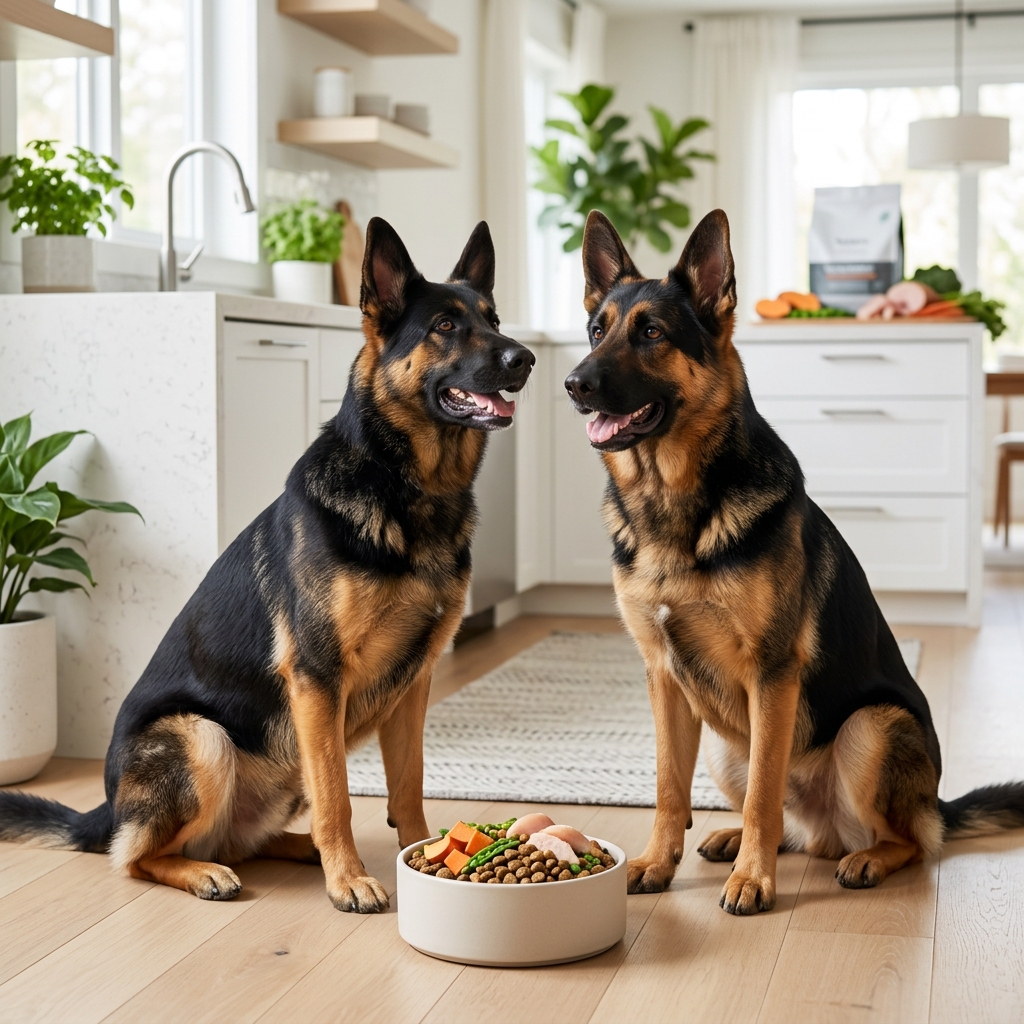
Why Use a Clicker for Dog Training?
Compared to more traditional training methods, clicker training offers several significant advantages. Traditional methods often rely on correction or pressure, which can be stressful for the dog and can damage your relationship. Here’s why clicker training shines:
- Increased Clarity: The clicker provides a precise signal. It tells your dog *exactly* what they did right, down to the millisecond. Dogs don’t speak English, so clear communication is paramount.
- Faster Learning: Because of the clarity, dogs learn more quickly. They understand what’s expected of them and are motivated to repeat the behaviour.
- Improved Communication: Clicker training fosters a stronger bond between you and your dog. It’s a positive, collaborative experience.
- Strengthened Bond: Focusing on rewarding good behaviour builds trust and a positive relationship.
- Reduced Stress: Positive reinforcement is far less stressful for your dog than methods involving punishment.
Essential Equipment: Choosing the Right Clicker (UK 2026)
While the core principle is simple, choosing the right clicker can make a difference. The clicker itself is relatively inexpensive, but quality varies. Here are some factors to consider:
- Comfort: The clicker should be comfortable to hold for extended periods, especially during training sessions.
- Sound Quality: The sound needs to be consistent and audible to your dog, even in slightly noisy environments. A crisp, distinct click is best.
- Durability: Choose a clicker made from sturdy materials that can withstand regular use (and potential drops!).
- Wrist Strap: A wrist strap can be incredibly helpful to prevent dropping the clicker.
Here’s a comparison of some popular clickers available in the UK market in 2026:
| Product Name | Price (GBP) | Pros | Cons |
|---|---|---|---|
| PetSafe Clicker | £8.99 | Affordable, reliable, consistent click sound. | Basic design, no wrist strap. |
| Company of Animals Clicker | £12.50 | Ergonomic design, comfortable to hold, good sound quality. | More expensive than some alternatives. |
| iClicker Dog Training Clicker | £9.99 | Bright colours (easy to find!), adjustable click volume. | Plastic feels a little flimsy. |
| Rocco Dog Training Clicker with Wrist Strap | £10.75 | Includes wrist strap, good value for money, clear click sound. | Strap might not suit all wrist sizes. |
Don’t forget the treats! You’ll also need high-value rewards to pair with the click. Kong Training Treats (200g) at £6.50 are a popular choice, being small, soft and highly palatable. Other options include small pieces of cooked chicken, cheese, or hot dog.
Getting Started: Charging the Clicker
This is the most important step! ‘Charging’ the clicker means associating the click sound with something positive – a treat. Your dog needs to learn that *click = good things are coming.*
- Find a quiet space: Minimize distractions.
- Have treats ready: Keep them easily accessible.
- Click, then treat: Click the clicker, *immediately* followed by giving your dog a treat.
- Repeat: Do this 10-15 times in a row.
- Observe your dog: You’ll know it’s working when your dog starts to look at you expectantly after hearing the click.
Practice this several times a day for a few days until your dog consistently associates the click with a reward.
Basic Clicker Training Techniques
Once your clicker is ‘charged’, you can start teaching basic commands. The key is to break down the behaviour into small, manageable steps.
Teaching ‘Sit’
- Lure: Hold a treat near your dog’s nose and slowly move it over their head towards their tail. This should naturally encourage them to sit.
- Click at the sit: The *instant* their bottom touches the ground, click the clicker.
- Reward: Immediately give them the treat.
- Repeat: Practice several times, gradually fading the lure (using less and less hand movement).
Teaching ‘Stay’
- Ask for ‘Sit’: Have your dog sit.
- Say ‘Stay’: Present your hand in a ‘stop’ gesture.
- Click and Reward: If they stay for even a second, click and reward.
- Gradually Increase Duration: Slowly increase the amount of time they need to stay before you click and reward.
Teaching ‘Come’
- Start Close: Begin with your dog a short distance away.
- Say ‘Come’: Use a happy, encouraging tone.
- Click and Reward: As soon as they start moving towards you, click and reward.
- Increase Distance: Gradually increase the distance as they become more reliable.
Troubleshooting Common Clicker Training Issues
- Dog Ignoring the Clicker: Go back to ‘charging’ the clicker. They haven’t fully made the association with rewards.
- Losing Interest: Treats might not be high-value enough. Try something more exciting! Also, keep training sessions short and fun.
- Confusion: You might be asking for too much at once. Break the behaviour down into even smaller steps.
- Timing Issues: Ensure you are clicking *at the exact moment* the desired behaviour occurs.
Clicker Training for Specific Dog Behaviours
Clicker training isn’t just for basic obedience. It’s incredibly versatile:
- Loose-Lead Walking: Click and reward for walking nicely by your side, even for just a few steps at a time.
- Recall in Distracting Environments: Practice recall in increasingly challenging environments, starting with quiet areas and gradually introducing distractions.
- Trick Training: Shaping (rewarding successive approximations of the desired behaviour) is perfect for teaching complex tricks like ‘play dead’ or ‘roll over’.
Clicker Training and Different Dog Breeds
While the principles of clicker training remain the same, adapting your approach to suit different breeds is important. For example:
- High-Energy Breeds (e.g., Border Collies, Jack Russell Terriers): Short, frequent training sessions are best to keep their attention.
- Food-Motivated Breeds (e.g., Labradors, Beagles): They’ll respond incredibly well to clicker training.
- More Independent Breeds (e.g., Shiba Inus, Chow Chows): You may need to be more patient and find particularly high-value rewards.
Beyond the Basics: Advanced Clicker Training
Once you and your dog are comfortable with the basics, you can explore more advanced techniques:
- Shaping: Rewarding successive approximations of a desired behaviour.
- Luring: Using a treat to guide your dog into the desired position.
- Capturing: Rewarding behaviours your dog offers spontaneously.
Clicker training is also widely used in dog sports like agility and flyball, providing a precise and effective way to communicate with your dog during complex routines.
Resources and Further Learning (UK)
- The Association of Pet Dog Trainers (APDT) UK: https://www.apdt.co.uk/ – Find a qualified, certified trainer near you.
- Dog Training UK: https://dogtraininguk.co.uk/ – Online resources and articles.
- Your Dog Magazine: https://www.yourdog.co.uk/ – Articles and advice on all aspects of dog ownership, including training.
- Books: “Don’t Shoot the Dog” by Karen Pryor is a classic introduction to positive reinforcement training.
FAQ
What if my dog doesn’t seem interested in treats?
Try different treats! Some dogs prefer cheese, cooked chicken, or hot dog. Also, make sure you’re timing the click and reward correctly. The reward needs to be delivered *immediately* after the click.
How long should training sessions be?
Keep sessions short and sweet – 5-10 minutes is ideal. Multiple short sessions throughout the day are more effective than one long session.
Can I use clicker training for any behaviour?
Yes! Clicker training is incredibly versatile and can be used to teach a wide range of behaviours, from basic obedience to complex tricks.
What happens if I accidentally click when my dog isn’t doing what I want?
Always follow a click with a reward. Even if it was an accidental click, give your dog a treat. This reinforces the association between the click and good things. Try to be more mindful of your clicking in the future.
Is clicker training suitable for reactive dogs?
Yes, but it’s best done under the guidance of a qualified, positive reinforcement-based trainer. Clicker training can help build confidence and change emotional responses, but it requires careful management and a tailored approach.