
Table of Contents
As an Amazon Associate, we earn from qualifying purchases. This means we may receive a small commission at no extra cost to you when you buy through links on this page.
Why Dental Hygiene is Crucial for Dogs
Maintaining good dental hygiene is just as important for your canine companion as it is for you. Poor oral health in dogs can lead to a cascade of health problems, starting with gum disease (gingivitis and periodontitis). This progresses to tooth loss, and, crucially, bacteria from the mouth can enter the bloodstream, potentially damaging vital organs like the heart, kidneys, and liver.
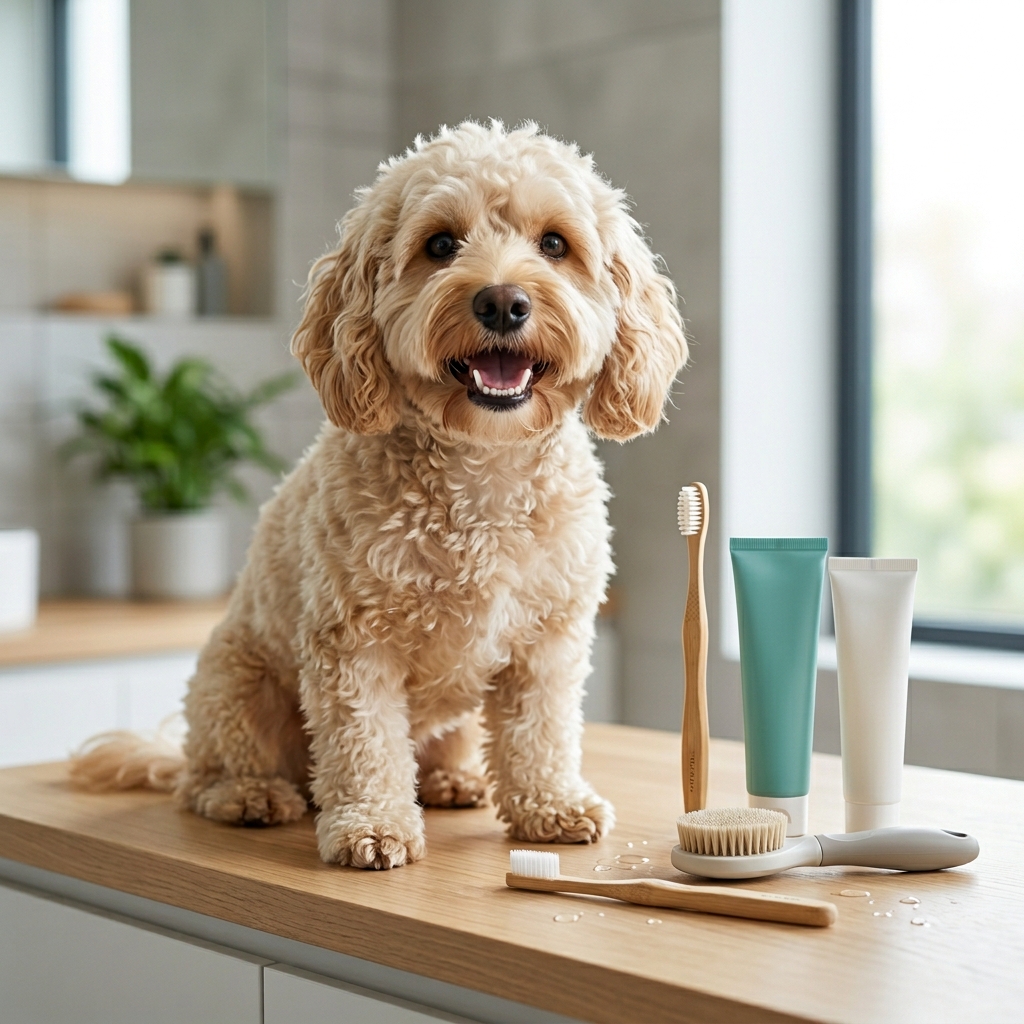
Recent statistics from the British Veterinary Dental Association (BVDA) show that approximately 80% of dogs over the age of three exhibit some form of dental disease. This figure highlights the widespread nature of the problem and the importance of preventative care. The cost of treating advanced dental disease can be significant, often requiring expensive procedures under general anaesthetic. Proactive dental care, such as regular brushing, can dramatically reduce these risks and costs.
Understanding Dog Toothpaste: What’s Different?
Never use human toothpaste on your dog! Human toothpastes contain ingredients like xylitol, fluoride, and sodium lauryl sulfate which are toxic to dogs. Xylitol, even in small amounts, can cause a rapid release of insulin, leading to hypoglycemia (low blood sugar) and potentially liver failure. Fluoride, while beneficial for humans, is also toxic in larger doses to dogs.
Dog toothpastes are specifically formulated to be safe for canine consumption. They typically contain enzymes (like those found in Virbac C.E.T. toothpaste) that help break down plaque and tartar. Other common ingredients include mild abrasives and flavours that appeal to dogs, such as poultry or beef. Look for toothpastes that are Veterinary Oral Health Council (VOHC) approved, indicating they have met certain standards for efficacy.
Types of Dog Toothbrushes: Finding the Right Fit
Choosing the right toothbrush depends on your dog’s size, breed, and willingness to cooperate. Here’s a breakdown of the common types:
- Standard Toothbrushes: Similar to human toothbrushes, but with softer bristles and angled heads designed for a dog’s mouth.
- Finger Brushes: These slip over your finger and allow for direct application of toothpaste. Good for puppies or dogs who are resistant to traditional brushes.
- Double-Headed Brushes: Feature bristles on both sides, enabling you to brush both the inner and outer surfaces of the teeth simultaneously.
- Electric Toothbrushes: Offer a more thorough clean with less effort, but require a period of acclimation for most dogs.
Smaller breeds generally benefit from smaller toothbrush heads, while larger breeds can handle larger ones. Dogs with sensitive gums might prefer a finger brush or a very soft-bristled standard brush.
Top 5 Dog Toothbrushes Reviewed (UK – 2026)
1. Nylabone Advanced Oral Care Puppy Toothbrush
Price: £6.49
Designed specifically for puppies, this toothbrush features extra-soft bristles and a small head for comfortable use. It’s ideal for introducing puppies to the concept of teeth brushing.
Pros: Soft bristles, small head, great for puppies, readily available at Pets at Home.
Cons: May not be durable enough for aggressive chewers, might need replacing more often.
2. Petosan Dual Bristle Dog Toothbrush (Medium)
Price: £7.99
This brush features a dual bristle design – longer outer bristles for reaching back teeth and shorter inner bristles for cleaning the gumline. Suitable for medium-sized breeds.
Pros: Dual bristle design, effective cleaning, comfortable grip, widely available.
Cons: Medium size might be too large for small breeds.
3. Arm & Hammer for Pets Dental Kit (Toothpaste & Brush)
Price: £12.50
A convenient kit including both a toothbrush and toothpaste. The brush has angled bristles for reaching all areas of the mouth. Arm & Hammer is a trusted brand.
Pros: Complete kit, trusted brand, angled bristles, good value for money.
Cons: Toothpaste flavour not universally loved by dogs.
4. Virbac C.E.T. Enzymatic Toothbrush (Small)
Price: £8.99
Combines the enzymatic action of Virbac’s popular toothpaste with a toothbrush. Designed to help reduce plaque and tartar buildup.
Pros: Enzymatic action, effective plaque removal, comfortable for smaller dogs.
Cons: Can be more expensive than standard brush options.
5. Happy Pet Soft Bristle Dog Toothbrush
Price: £5.50
A budget friendly option, featuring soft bristles and a comfortable handle.
Pros: Affordable, soft bristles, easy to grip.
Cons: May not be as durable as higher-end brands.
Top 5 Dog Toothpastes Reviewed (UK – 2026)
1. Virbac C.E.T. Enzymatic Toothpaste (50g)
Price: £8.99
A veterinary favourite! This enzymatic toothpaste helps inhibit plaque formation and freshen breath. Available in various flavours like poultry and beef.
2. Petosan Dog Toothpaste
Price: £7.50
A palatable toothpaste that encourages dogs to accept brushing. Contains enzymes to help fight plaque and tartar.
3. Whimzees Dental Toothpaste
Price: £9.00
Designed to complement Whimzees dental chews, this toothpaste provides a palatable experience.
4. Nylabone Advanced Oral Care Toothpaste
Price: £6.00
A gentle toothpaste formulated for daily use, helping to remove plaque and freshen breath.
5. Arm & Hammer for Pets Toothpaste
Price: £6.50
Utilizes the power of baking soda to help neutralize odours and clean teeth effectively.
Electric Toothbrushes for Dogs: Are They Worth It?
Electric toothbrushes can be beneficial, particularly for dogs who dislike traditional brushing. They offer a more consistent and thorough clean with less effort from the owner. However, they can be noisy and intimidating, so a gradual introduction is crucial. Look for models with adjustable speeds, a timer, and a variety of brush head options. The iBrush for Dogs is a popular choice available at several UK retailers, priced around £60-£80.
How to Brush Your Dog’s Teeth: A Step-by-Step Guide
- Start Slowly: Introduce the toothpaste by letting your dog lick a small amount off your finger.
- Familiarize with the Brush: Let your dog sniff and lick the toothbrush.
- Gentle Brushing: Gently brush the outer surfaces of the teeth in a circular motion. Focus on the gumline.
- Positive Reinforcement: Reward your dog with praise and treats after each brushing session.
- Consistency is Key: Aim to brush your dog’s teeth daily, or at least several times a week.
[Embed Video Here: A video demonstrating proper dog teeth brushing technique would be beneficial]
Alternatives to Brushing: Dental Chews, Wipes & Sprays
If your dog refuses to be brushed, dental chews, wipes, and sprays can provide some benefit, but they are not a replacement for brushing. ProDen Plaque Off Dental Bones (Small) are a popular choice (£10.99), and dental wipes can help remove surface plaque. However, these alternatives are less effective at cleaning under the gumline.
Preventing Dental Disease: Diet & Professional Cleaning
A high-quality dry food can help reduce tartar buildup through its abrasive action. Dental-specific diets are also available, formulated to promote oral health. However, even with a good diet and regular home care, professional dental cleanings by a veterinarian are essential. These cleanings, typically performed under anaesthetic, allow for a thorough scaling and polishing of the teeth, removing plaque and tartar from below the gumline.
FAQ: Dog Toothbrush & Toothpaste
Q: How often should I brush my dog’s teeth?
Ideally, daily brushing is best. However, brushing several times a week is a good compromise if daily brushing isn’t feasible.
Q: What should I do if my dog swallows toothpaste?
Dog toothpaste is formulated to be safe for swallowing in small amounts. However, excessive ingestion should be avoided. Monitor your dog for any signs of gastrointestinal upset.
Q: What are the signs of dental problems in dogs?
Signs include bad breath, excessive drooling, difficulty eating, red or swollen gums, loose teeth, and pawing at the mouth.
Q: Can dental chews replace brushing?
No, dental chews are a helpful supplement but do not provide the same level of cleaning as brushing. They can help reduce plaque and tartar buildup, but they won’t reach all areas of the mouth effectively.
Q: My dog hates having his teeth brushed. What can I do?
Be patient and start slowly. Use positive reinforcement (treats and praise). Try a finger brush or a different flavoured toothpaste. If the problem persists, consult your veterinarian for advice.