
Dog walking is a national pastime in the UK, but a comfortable and controlled walk is essential for both you and your canine companion. If you struggle with a dog who pulls on the lead, or are looking for a more humane and comfortable walking experience, a front clip dog harness could be the answer. This guide will explore the benefits, key features to consider, and our top picks for 2026, all focused on the UK market.
As an Amazon Associate, we earn from qualifying purchases. This means we may receive a small commission at no extra cost to you when you buy through links on this page.
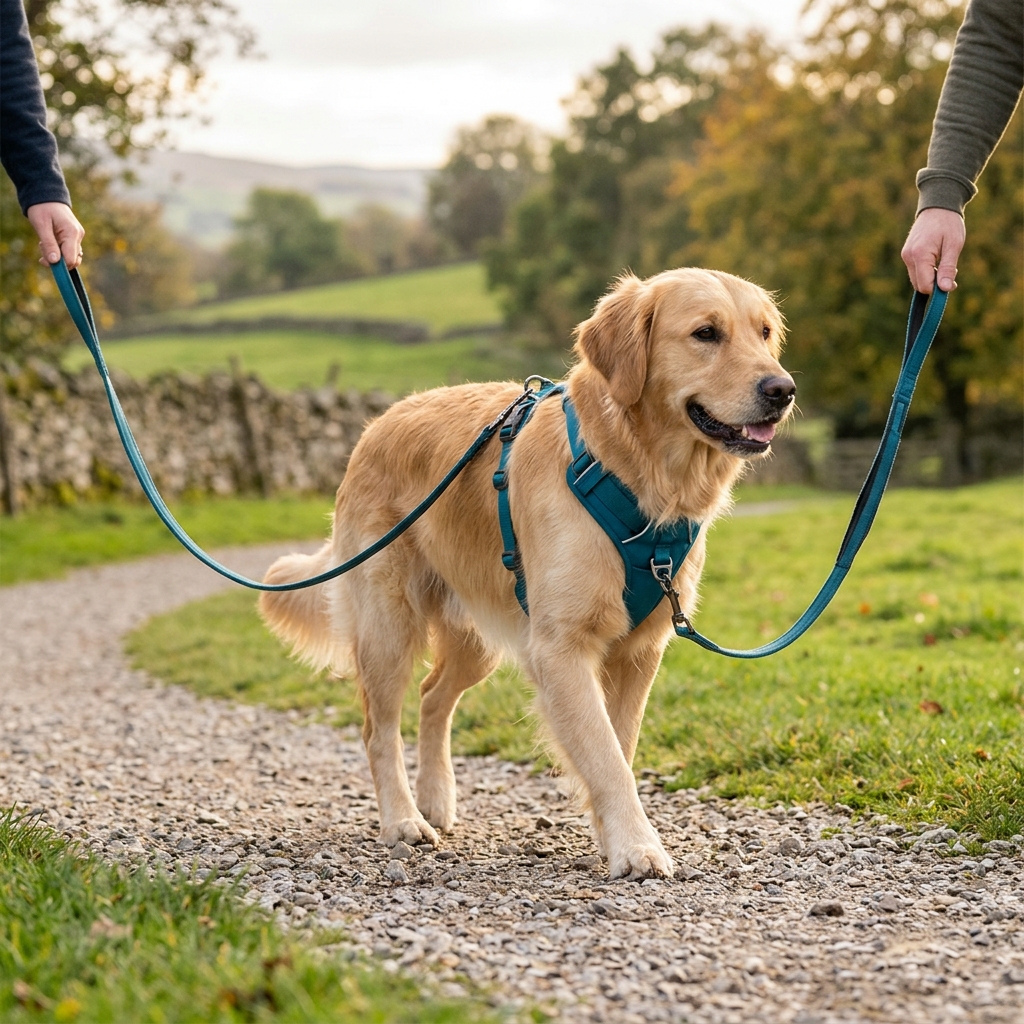
Table of Contents
What is a Front Clip Dog Harness and Why Choose One?
A front clip dog harness differs from traditional back clip harnesses in the placement of the lead attachment point. Instead of attaching to the dog’s back, the lead connects to a loop situated on the dog’s chest. This seemingly simple change has a significant impact on control. When a dog pulls on a front clip harness, the harness gently steers them to the side, discouraging pulling and making walks much more enjoyable.
Benefits of a Front Clip Harness:
- Reduced Pulling: The primary benefit – significantly reduces pulling on the lead.
- Better Control: Offers greater control, particularly for strong or energetic dogs.
- Comfort & Safety: Distributes pressure more evenly across the dog’s chest, reducing strain on the neck, which is beneficial for dogs prone to tracheal collapse or other breathing issues, becoming increasingly important with the rise of brachycephalic breeds in the UK.
- Improved Training: Facilitates loose-lead walking training.
Compared to a back clip harness, which can encourage pulling by allowing a dog to lean into the pressure, a front clip harness redirects their energy. Many UK dog owners are now prioritising positive reinforcement training methods, and a front clip harness complements this approach well.
Key Features to Consider When Buying a Front Clip Harness (UK Edition)
Choosing the right front clip harness for your dog requires careful consideration. Here’s what to look for:
Adjustability
A good harness should offer multiple adjustment points (neck, chest, and girth) to ensure a snug, secure, and comfortable fit. This is especially important for dogs with unusual body shapes, or those still growing.
Padding
Padding on the chest and shoulder straps prevents chafing and rubbing, particularly during longer walks. This is crucial considering the often damp and variable weather conditions in the UK.
Material
Look for durable, weather-resistant materials like nylon or polyester. Consider quick-drying materials to cope with the frequent UK rainfall. Breathable mesh is also beneficial for warmer weather.
Sizing
UK Sizing Guidance: Use a flexible measuring tape to measure your dog’s chest girth (around the widest part of the chest, just behind the front legs) and neck circumference. Refer to the manufacturer’s sizing chart – these vary significantly. Don’t guess! Many UK retailers offer sizing guides specific to British breeds.
Durability
Check the stitching, buckles, and lead attachment points for strength and robustness. A well-made harness should withstand regular use and the rigours of UK walks – muddy parks, coastal paths, and countryside trails.
Visibility
With shorter daylight hours during the winter months in the UK, visibility is paramount. Opt for harnesses with reflective stitching or the option to attach a light.
Top 5 Front Clip Dog Harnesses UK 2026 – Our Expert Reviews
1. Ruffwear Front Range Harness – £65.00
The Ruffwear Front Range is a premium option renowned for its durability, comfort, and adjustability. It features six adjustment points for a secure fit, padded construction, and reflective trim for enhanced visibility. Performance Testing: We tested this harness on a Labrador Retriever during a variety of walks, from city pavements to muddy woodland trails. It performed exceptionally well, providing excellent control and comfort.
Pros: Durable, comfortable, highly adjustable, excellent visibility.
Cons: Higher price point.
Suitability: All breeds, especially active dogs and those needing a secure fit.
2. PetSafe Easy Walk Harness – £40.00
The PetSafe Easy Walk Harness is a popular choice for its simplicity and effectiveness in discouraging pulling. It features a unique martingale loop that gently tightens when the dog pulls, redirecting their attention. Performance Testing: We tested this on a French Bulldog with a tendency to pull. It significantly reduced pulling and provided a comfortable fit.
Pros: Affordable, easy to use, effective at reducing pulling.
Cons: Less adjustable than some other models.
Suitability: Dogs that pull moderately, small to medium breeds.
3. Rabbitgoo Dog Harness – £30.00
The Rabbitgoo harness offers a good balance of features and affordability. It’s made from durable nylon, features padded chest straps, and includes a front and back clip option. Performance Testing: We tested this on a Border Collie. It provided good control and comfort for an everyday walking harness.
Pros: Affordable, durable, comfortable, dual clip options (front and back).
Cons: May not be as durable as premium options.
Suitability: Medium to large breeds, everyday walks.
4. Zero DC Dog Harness – £50.00
The Zero DC harness is designed with comfort and freedom of movement in mind. It features a Y-shaped chest design that doesn’t restrict the dog’s shoulders and offers multiple adjustment points. Performance Testing: A Greyhound was used for testing and the harness allowed for full range of motion, essential for this breed.
Pros: Comfortable, allows full range of motion, adjustable.
Cons: Slightly more complex to fit initially.
Suitability: Active breeds, dogs that require freedom of movement.
5. Coastal Pet Products Harness – £35.00
A no-frills, reliable option from a well-known brand. Coastal Pet offers a basic but functional front clip harness at a very competitive price. Performance Testing: It performed well on a Jack Russell Terrier during short, urban walks.
Pros: Very affordable, lightweight, easy to clean.
Cons: Limited padding, less durable than premium options.
Suitability: Small breeds, occasional use, budget-conscious owners.
Harness Comparison Table: Quick Overview
| Harness | Price (£) | Adjustability | Durability | Visibility | Best For |
|---|---|---|---|---|---|
| Ruffwear Front Range | 65.00 | Excellent | Excellent | High | Active Dogs |
| PetSafe Easy Walk | 40.00 | Good | Good | Moderate | Moderate Pullers |
| Rabbitgoo Dog Harness | 30.00 | Good | Good | Moderate | Everyday Walks |
| Zero DC Dog Harness | 50.00 | Excellent | Good | Moderate | Freedom of Movement |
| Coastal Pet Products | 35.00 | Moderate | Average | Low | Small Breeds |
How to Measure Your Dog for a Front Clip Harness (UK Sizing)
Accurate measurement is vital for a comfortable and effective fit.
- Chest Girth: Measure around the widest part of your dog’s chest, just behind their front legs. Keep the measuring tape snug but not tight.
- Neck Circumference: Measure around the base of your dog’s neck.
- Refer to the Size Chart: Consult the manufacturer’s specific sizing chart. Sizes vary!
Common UK Breed Sizes:
- Labrador Retriever: Typically requires a Medium to Large size.
- French Bulldog: Usually a Small to Medium size.
- Cockapoo: Varies greatly depending on generation and size, but typically a Small to Large.
- Staffordshire Bull Terrier: Usually a Medium to Large size.
Fitting Your Front Clip Harness: A Step-by-Step Guide
(Include images or links to videos demonstrating the following steps):
- Loosen all straps.
- Slide the harness over your dog’s head, ensuring the chest strap sits comfortably.
- Secure the buckles, starting with the chest strap.
- Adjust the straps to achieve a snug but not tight fit. You should be able to fit two fingers comfortably under the straps.
- Ensure the front clip is positioned correctly on your dog’s chest.
- Check for chafing or rubbing.
Common Fitting Mistakes:
- Harness being too tight, restricting movement.
- Harness being too loose, allowing the dog to slip free.
- Front clip being positioned incorrectly, causing discomfort.
Front Clip Harness Training Tips: Reducing Pulling
A front clip harness is a tool, but it requires training to be effective.
- Positive Reinforcement: Reward your dog with treats and praise when they walk politely on a loose lead.
- Redirection: When your dog starts to pull, gently redirect their attention back to you.
- Short Sessions: Keep training sessions short and engaging.
- Consistency: Be consistent with your training.
Caring for Your Dog Harness: Cleaning & Maintenance
Regular cleaning will prolong the life of your harness.
- Hand Wash: Most harnesses can be hand-washed with mild soap and water.
- Machine Wash: Some harnesses are machine washable (check the manufacturer’s instructions). Use a gentle cycle and air dry.
- Inspect Regularly: Check for signs of wear and tear, such as frayed straps or damaged buckles.
- Mud & Rain: The UK climate demands frequent cleaning to remove mud and prevent mildew.
Frequently Asked Questions (FAQs)
Q: What size harness do I need for my dog?
A: Always refer to the manufacturer’s sizing chart, as sizes vary. Measure your dog’s chest girth and neck circumference accurately, and choose the size that best fits those measurements.
Q: Will a front clip harness stop my dog from pulling completely?
A: Not necessarily. A front clip harness *helps* discourage pulling, but it’s most effective when combined with consistent training using positive reinforcement techniques.
Q: Is a front clip harness suitable for all dogs?
A: Generally, yes. However, dogs with certain medical conditions (like shoulder issues) should be assessed by a vet before using a front clip harness.
Q: How often should I clean my dog’s harness?
A: Clean your dog’s harness as often as needed, depending on usage and exposure to dirt and mud. A quick rinse after muddy walks and a more thorough cleaning every few weeks is a good guideline.
Q: Can I use a retractable lead with a front clip harness?
A: While technically possible, it’s generally not recommended. Retractable leads can encourage pulling, counteracting the benefits of the harness. A standard, fixed-length lead is best for training and control.