
Table of Contents
Understanding Canine Obesity & Weight Loss
Obesity is a growing concern for our canine companions in the UK. Estimates suggest that over half of all dogs are overweight or obese, leading to a range of serious health problems. Excess weight puts significant strain on joints, increasing the risk of arthritis and mobility issues. It also contributes to diabetes, heart disease, breathing difficulties, and even a reduced lifespan. A proactive approach to weight management is vital for ensuring a long, happy, and healthy life for your dog.
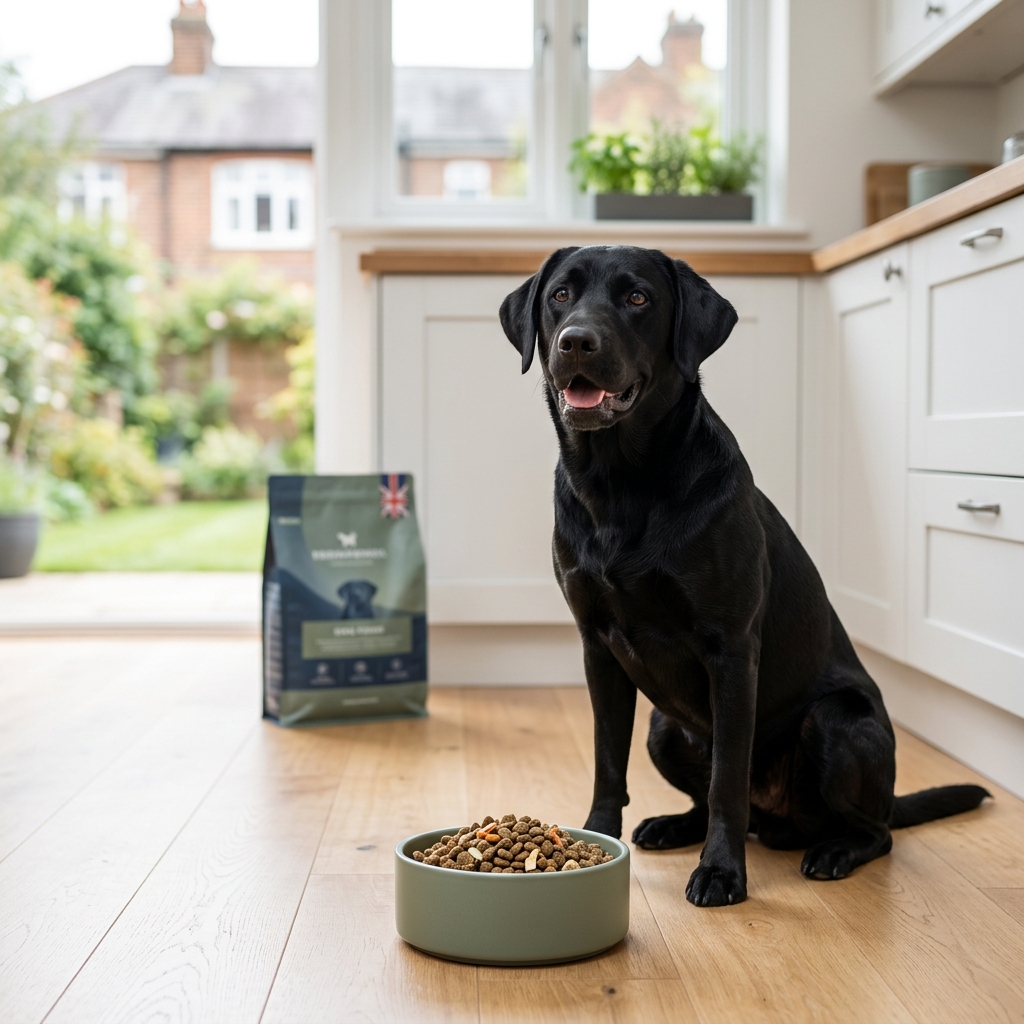
Before embarking on a weight loss journey, it’s crucial to consult with your veterinarian. They can accurately assess your dog’s body condition using a Body Condition Score (BCS) – a visual and tactile assessment to determine if your dog is underweight, ideal weight, or overweight. Your vet can also rule out any underlying medical conditions that may be contributing to weight gain.
Key Ingredients for Weight Loss Dog Food
The right dog food can make all the difference when it comes to weight loss. Here’s what to look for:
Beneficial Ingredients
- High Protein (Lean Sources): Protein promotes satiety, helping your dog feel fuller for longer. Opt for lean sources like chicken, turkey, fish (salmon, white fish), and lamb.
- Moderate Fat: While fat is essential, a weight loss diet should contain a controlled amount.
- High Fibre: Fibre adds bulk to the diet, increasing fullness and aiding digestion. Excellent sources include peas, sweet potato, beet pulp, and brown rice.
- L-Carnitine: This amino acid helps the body convert fat into energy, supporting metabolism.
Ingredients to Avoid
- Fillers: Ingredients like corn, wheat, and soy offer little nutritional value and can contribute to weight gain.
- Excessive Grains: While some grains are fine, excessive amounts can be calorie-dense and less digestible.
- Sugars and Artificial Additives: These offer no nutritional benefit and can disrupt your dog’s metabolism.
Top 5 Best Dog Foods for Weight Loss (UK 2026)
1. Royal Canin Veterinary Diet Satiety Weight Management
Price: £75.99 (12kg)
Royal Canin’s Satiety Weight Management formula is specifically designed for dogs needing to lose weight. It’s low in calories and fat, but high in fibre and protein to help dogs feel full and satisfied. It also includes L-Carnitine to support fat metabolism.
Pros: Highly palatable, vet-recommended, scientifically formulated for weight loss, good for sensitive stomachs.
Cons: Can be expensive, some dogs may not thrive on long-term use without vet guidance.
2. Hill’s Science Diet Perfect Weight Dry Dog Food
Price: £68.50 (12kg)
Hill’s Perfect Weight boasts a clinically proven formula to promote weight loss. It’s lower in calories and fat than standard dog food and contains increased fibre levels. It’s suitable for many breeds and ages.
Pros: Clinically proven, easy to find, good value for money, palatable for most dogs.
Cons: Contains some grains, may not be suitable for dogs with grain sensitivities.
3. Purina Pro Plan Veterinary Diets Weight Management
Price: £72.00 (14kg)
Purina Pro Plan Veterinary Diets Weight Management is another vet-approved option. It features a high-protein, low-fat formula with added fibre to support healthy weight loss. It’s designed to maintain muscle mass during weight reduction.
Pros: Veterinarian recommended, supports muscle mass, good fibre content, suitable for multiple life stages.
Cons: Requires a veterinary prescription; some dogs may not enjoy the taste.
4. Lily’s Kitchen Light Recipe Dry Dog Food
Price: £59.99 (10kg)
Lily’s Kitchen Light Recipe is a naturally formulated option, using wholesome ingredients like chicken and vegetables. It’s lower in calories and fat and includes added fibre for satiety. It’s grain-free, making it suitable for dogs with sensitivities.
Pros: Grain-free, natural ingredients, good for sensitive stomachs, palatable for many dogs.
Cons: Can be more expensive than some other brands; smaller bag size.
5. Butternut Box Weight Management Plan
Price: £45.00 (5 days)
Butternut Box offers a fresh, pre-portioned weight management plan tailored to your dog’s individual needs. The meals are made with real, human-grade ingredients and delivered to your door. This is a subscription service.
Pros: Fresh, human-grade ingredients, personalised portions, convenient delivery, highly palatable.
Cons: Most expensive option, requires freezer space, subscription-based.
Comparing Weight Loss Dog Food Brands: A Head-to-Head
| Brand | Protein (%) | Fat (%) | Fibre (%) | Calorie Count (kcal/kg) | Price per kg (£) |
|---|---|---|---|---|---|
| Royal Canin Satiety | 30.5 | 8.0 | 16.0 | 3180 | 6.33 |
| Hill’s Science Diet | 28.0 | 12.0 | 14.0 | 3250 | 5.71 |
| Purina Pro Plan | 32.0 | 10.0 | 15.0 | 3000 | 5.14 |
| Lily’s Kitchen Light | 34.0 | 8.0 | 17.0 | 3100 | 5.99 |
| Butternut Box | Varies | Varies | Varies | Approx. 1200-1500 | 9.00 |
Wet vs. Dry Dog Food for Weight Loss: Which is Better?
Both wet and dry dog food can be effective for weight loss, but they have different benefits:
- Wet Food: Higher water content can help dogs feel fuller, potentially reducing calorie intake. It’s also more palatable for some dogs. However, it’s generally more expensive per calorie and can be less convenient to store.
- Dry Food: More calorie-dense, meaning you need to feed smaller portions. It’s more affordable, convenient, and helps promote dental health through chewing.
A mixed feeding approach – combining wet and dry food – can offer the benefits of both. For example, adding a small amount of wet food to dry kibble can increase palatability and hydration.
Feeding Guide & Portion Control for Weight Loss
Accurate portion control is paramount. Your vet can help you calculate your dog’s daily calorie needs based on their current weight, target weight, activity level, and breed. Use a measuring cup to ensure consistent portions – don’t rely on estimations.
Reduce portions gradually over several weeks to avoid hunger and frustration. Monitor your dog’s weight weekly and adjust the feeding amount accordingly. Remember, weight loss should be slow and steady.
Exercise & Weight Loss: A Combined Approach
Diet alone isn’t enough! Exercise is a vital component of a successful weight loss plan. The type and intensity of exercise will depend on your dog’s breed, age, and overall health.
- Walks: Regular, brisk walks are a great starting point.
- Playtime: Interactive games like fetch can provide a good workout.
- Swimming: A low-impact exercise ideal for dogs with joint problems.
Consider using a durable water bottle to ensure your dog stays hydrated during exercise.
When to Consult a Vet
Contact your veterinarian if:
- Your dog has any underlying health conditions.
- Your dog is losing weight too rapidly.
- Your dog is showing signs of illness (lethargy, vomiting, diarrhea).
- Your dog has a persistent appetite despite being on a weight loss diet.
- You’re struggling to see results despite following a vet-approved plan.
A vet-supervised weight loss journey is the safest and most effective way to help your dog achieve a healthy weight and enjoy a longer, happier life.
Remember to use low-calorie treats for training and rewarding good behaviour!