
Table of Contents
Introduction: The UK Dog Shedding Problem
Living with a dog in the UK is a joy, but let’s be honest – shedding is a reality for most of us! From the picturesque countryside walks to cosy nights in, canine companions bring a lot of hair along with them. Certain breeds, particularly those adapted to colder climates, shed considerably, especially during the spring and autumn months (seasonal shedding). This can mean constant vacuuming, hairy furniture, and a general feeling of being covered in fur. Choosing the right dog brush isn’t just about aesthetics; it’s about your dog’s health and comfort, helping to distribute natural oils, prevent matting, and reduce the amount of hair floating around your home. This guide will help you navigate the many options available in the UK market and find the perfect brush for your furry friend.
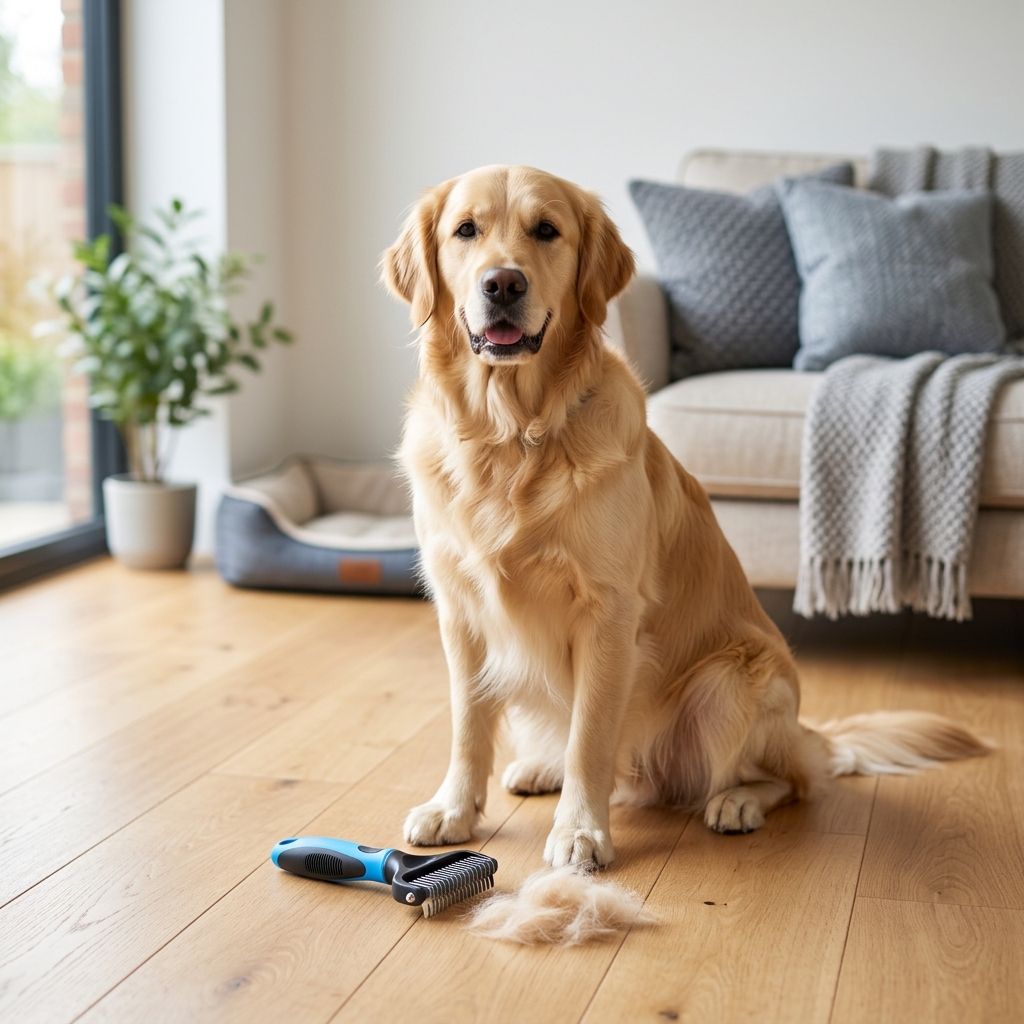
Understanding Dog Coat Types & Shedding
Before diving into specific brushes, understanding your dog’s coat type is crucial. Different coats require different approaches to shedding control.
- Short Coats: (e.g., Labrador, Pug) – Shed consistently, but individual hairs are small. Regular brushing helps remove loose hair before it settles.
- Long Coats: (e.g., Golden Retriever, Collie) – Prone to matting and tangles, and shed a significant amount. Require frequent, thorough brushing.
- Double Coats: (e.g., Husky, German Shepherd) – Have a dense undercoat and a protective outer coat. Heavy seasonal shedding is typical.
- Wire-Haired Coats: (e.g., Terrier breeds) – Shed less than other types, but require regular stripping or brushing to remove dead hairs.
- Curly Coats: (e.g., Poodle) – Shed very little, but prone to matting. Require regular grooming and clipping.
Why do dogs shed? Shedding is a natural process. Dogs shed to get rid of old, damaged hair and make way for new growth. Factors like breed, age, diet, health, and hormones all play a role in the amount of shedding.
Types of Dog Brushes for Shedding
Let’s explore the common types of dog brushes available in the UK:
Slicker Brushes
Pros: Effective at removing mats and tangles, good for long and thick coats.
Cons: Can be harsh if used incorrectly, may irritate sensitive skin. Requires gentle use.
Undercoat Rakes
Pros: Designed to reach and remove the loose undercoat without damaging the topcoat. Excellent for double-coated breeds.
Cons: May not be ideal for short or single-coated breeds.
Deshedding Tools (Furminator Style)
Pros: Highly effective at removing large amounts of loose undercoat.
Cons: Can be expensive, potential for skin irritation if overused. Requires careful use and monitoring.
Bristle Brushes
Pros: Gentle and good for daily grooming, distribute natural oils, smooth the coat.
Cons: Not very effective at removing heavy shedding or mats.
Pin Brushes
Pros: Versatile, good for most coat types, help detangle and remove loose hair.
Cons: Not as effective as slicker brushes or undercoat rakes for heavy shedding.
Grooming Gloves
Pros: Gentle and comfortable for the dog, good for everyday use, can be used during petting.
Cons: Less effective at removing significant amounts of shedding.
Combination Brushes
Pros: Offer the benefits of multiple brush types in one tool. Convenient and versatile.
Cons: May not be as specialized as individual brushes.
Top 5 Best Dog Brushes for Shedding (UK 2026) – Our Picks
Here are our top picks, taking into account performance, availability in the UK, and value for money:
- Chris Christensen Big G Slicker Brush – £65.00
- Pet Portal Undercoat Rake – £24.50
- Furminator Deshedding Tool (Long Hair) – £45.99
- Ancol Bamboo Pin Brush – £10.00
- HandsOn Gloves Grooming Brush – £18.75
Breed Suitability: Long-haired breeds, especially those prone to matting.
Pros: Exceptionally effective at removing mats and tangles, ergonomic handle, self-cleaning button. Considered a professional-grade tool.
Cons: Expensive. May be too harsh for dogs with very sensitive skin.
Breed Suitability: Double-coated breeds (German Shepherd, Husky, etc.).
Pros: Effectively removes loose undercoat, prevents matting, comfortable grip.
Cons: May not be suitable for short-haired breeds.
Breed Suitability: Long-haired breeds with significant shedding.
Pros: Very effective at removing a large amount of undercoat, reduces shedding significantly.
Cons: Can be expensive, potential for skin irritation if overused.
Breed Suitability: Most coat types, especially those with medium-length hair.
Pros: Affordable, gentle, good for everyday grooming. Eco-friendly bamboo handle.
Cons: Not as effective for heavy shedding or matting.
Breed Suitability: Short to medium-haired breeds, dogs who dislike traditional brushing.
Pros: Gentle, comfortable for the dog, promotes bonding, easy to use.
Cons: Less effective at removing large amounts of shedding.
Budget-Friendly Options: Best Dog Brushes Under £20
You don’t need to spend a fortune to control shedding. Here are a couple of effective options under £20:
- Kong ZoomGroom – £12.99: A versatile rubber brush that can be used wet or dry. Good for removing loose hair and massaging the skin.
- Ancol Bamboo Pin Brush – £10.00: As mentioned above, a great affordable option for everyday grooming.
Best Dog Brush for Long-Haired Breeds (UK)
For breeds like Golden Retrievers, Collies, and Afghan Hounds, a combination of brushes is often best. Start with an undercoat rake to remove loose hair from the undercoat, followed by a slicker brush to tackle mats and tangles, and finish with a bristle brush to smooth the coat. Regular brushing (several times a week) is essential to prevent matting.
Best Dog Brush for Short-Haired Breeds (UK)
Labradors, Boxers, and Pugs benefit from regular brushing with a rubber grooming mitt or a bristle brush. These tools effectively remove loose hair without irritating their sensitive skin. Focus on short, frequent brushing sessions to stay on top of shedding.
Best Deshedding Tool: Furminator Alternatives (UK)
While the Furminator is well-known, several alternatives offer similar performance at a potentially lower price. The Pet Portal Undercoat Rake is a strong contender, as is a high-quality slicker brush used correctly. Always use deshedding tools sparingly and monitor your dog’s skin for any signs of irritation.
How to Brush Your Dog for Shedding – A Step-by-Step Guide
- Start Slow: If your dog dislikes brushing, introduce the brush gradually. Let them sniff it and reward them with treats.
- Gentle Strokes: Brush in the direction of hair growth, using gentle, even strokes.
- Reach All Areas: Ensure you brush all areas of the body, including the legs, belly, and tail.
- Check for Mats: Carefully detangle any mats or tangles before brushing.
- Be Patient: Make brushing a positive experience for your dog.
Maintaining Your Dog Brush: Cleaning & Care
Regular cleaning is essential to prolong the lifespan of your brush:
- Slicker Brushes: Use the self-cleaning button or remove hair manually with a brush cleaner.
- Undercoat Rakes: Remove hair with a comb or brush cleaner.
- Bristle & Pin Brushes: Wash with mild soap and water, ensuring they are thoroughly dry before storing.
- Grooming Gloves: Wash in the washing machine on a gentle cycle.
FAQs: Dog Shedding & Brushing
- How often should I brush my dog? This depends on the breed and coat type. Short-haired breeds may only need brushing once a week, while long-haired breeds may require daily brushing.
- Why is my dog shedding so much? Seasonal changes, diet, stress, and underlying health conditions can all contribute to increased shedding.
- Can brushing actually *reduce* shedding? Yes! Regular brushing removes loose hair before it falls out around your home.
- My dog hates being brushed. What can I do? Start slowly, use a gentle brush, and reward your dog with treats. Consider a grooming glove as a less intimidating option.
- Is deshedding tool safe for my dog’s skin? Deshedding tools can be effective, but overuse can cause skin irritation. Use them sparingly and monitor your dog’s skin closely.
Conclusion: Finding the Right Brush for Your Furry Friend
Choosing the best dog brush for shedding in the UK is a personal decision. Consider your dog’s breed, coat type, and temperament. Don’t be afraid to experiment with different brushes to find one that works well for both of you. Regular brushing isn’t just about controlling shedding; it’s about maintaining your dog’s health, strengthening your bond, and enjoying a cleaner, fur-free home!