
Table of Contents
As an Amazon Associate, we earn from qualifying purchases. This means we may receive a small commission at no extra cost to you when you buy through links on this page.
Understanding Senior Dog Nutrition
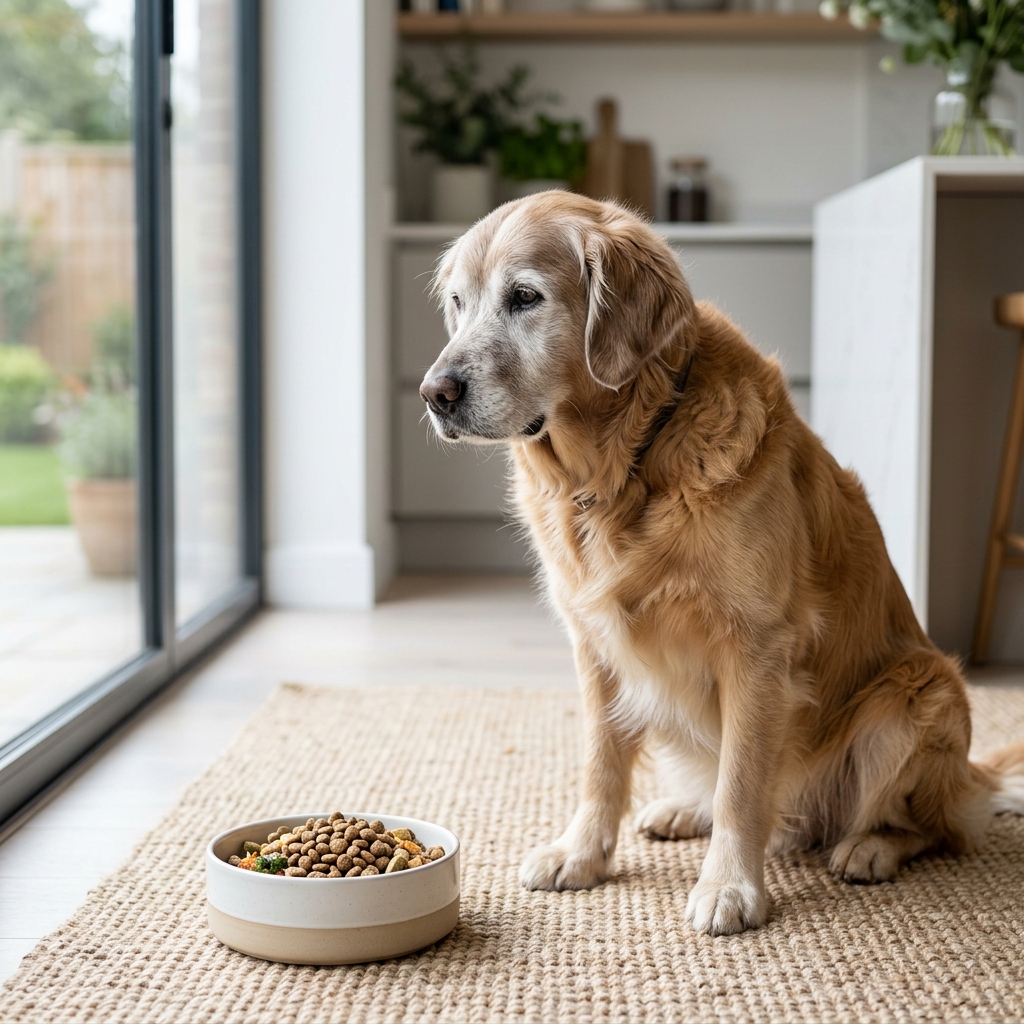
As our canine companions age, their nutritional needs change significantly. Generally, a dog is considered a senior around 7-10 years old, though this varies by breed and size – larger breeds tend to age faster. A senior dog’s metabolism naturally slows down, meaning they require fewer calories to maintain a healthy weight. However, the quality of those calories becomes even more crucial. Common health issues that arise in senior dogs, such as arthritis, kidney disease, and cognitive decline, can be significantly managed – and sometimes even prevented – through a tailored diet. Focusing on easily digestible protein, joint support, and cognitive-enhancing nutrients is paramount.
Key Ingredients to Look for in Senior Dog Food
Choosing the right dog food for your senior dog means understanding what beneficial ingredients to prioritise. Here’s a breakdown:
Beneficial Ingredients:
- Easily Digestible Protein: Look for protein sources like chicken, salmon, or lamb. Avoid foods with excessive amounts of plant-based protein, as it’s harder for older dogs to process.
- Glucosamine & Chondroitin: These are essential for supporting joint health and alleviating the symptoms of arthritis.
- Omega-3 Fatty Acids: Found in fish oil, these support cognitive function, improve coat health, and have anti-inflammatory properties.
- Fibre: Moderate amounts of fibre aid digestion and can help manage weight, particularly important for less active seniors. Beet pulp and pumpkin are good sources.
- Antioxidants: Vitamins E and C, along with beta-carotene, help combat free radicals and support the immune system.
Ingredients to Avoid:
- Excessive Phosphorus: High phosphorus levels can exacerbate kidney disease, a common issue in senior dogs.
- High Sodium: Can contribute to heart problems and worsen kidney issues.
- Artificial Colours, Flavours & Preservatives: These offer no nutritional value and can sometimes cause allergic reactions.
- Fillers: Ingredients like corn, wheat, and soy offer minimal nutritional benefit and can be difficult to digest.
Types of Senior Dog Food Available in the UK
There’s a range of formats to choose from, each with its own advantages and disadvantages for senior dogs:
| Type of Food | Pros | Cons |
|---|---|---|
| Dry Kibble | Cost-effective, convenient, good for dental health (some formulations). | Can be harder to chew for dogs with dental issues, lower moisture content. |
| Wet Food | Highly palatable, easier to chew and digest, higher moisture content. | More expensive than kibble, can contribute to dental tartar build-up. |
| Semi-Moist Food | Palatable, softer texture. | Often contains added sugars and preservatives, lower nutritional value. Generally less recommended. |
| Raw Feeding | Highly nutritious, mimics a natural diet. | Requires careful preparation and handling to avoid bacterial contamination, potential for nutritional imbalances if not properly formulated. |
Top 5 Senior Dog Food Brands Reviewed (UK – 2026)
1. Royal Canin Senior Dog Food (12kg) – £65.99
Ingredient Analysis: Formulated with highly digestible protein, glucosamine and chondroitin for joint support, and antioxidants for immune system health. Includes specific nutrients to support cognitive function.
Customer Feedback (2026): Generally very positive, with owners reporting improved coat condition and increased energy levels in their senior dogs. Some larger breed owners noted needing to supplement with extra joint care.
Suitability: Suitable for most senior dogs, particularly those prone to joint issues or cognitive decline. Good for breeds of all sizes.
2. Hill’s Science Diet Senior 7+ Chicken (10kg) – £58.49
Ingredient Analysis: A well-balanced formula with chicken as the primary protein source. Contains antioxidants and L-carnitine to support healthy muscle mass.
Customer Feedback (2026): Owners appreciate the readily available ingredient list and the fact that it’s often recommended by vets. Some dogs with sensitive stomachs experienced mild digestive upset during the transition.
Suitability: A good all-around choice for senior dogs with no specific health concerns.
3. Purina Pro Plan Senior 7+ Lamb & Rice (14kg) – £72.99
Ingredient Analysis: Lamb and rice are easily digestible ingredients, making this option suitable for dogs with sensitive stomachs. Contains glucosamine and omega-3 fatty acids.
Customer Feedback (2026): Customers found this food very palatable, even for picky eaters. The larger bag size offers good value for money.
Suitability: Excellent for seniors with sensitive digestion or allergies to chicken.
4. Harringtons Senior Complete Dry Dog Food (12kg) – £39.99
Ingredient Analysis: A more budget-friendly option. Contains a moderate level of protein and added vitamins and minerals. Includes joint support ingredients.
Customer Feedback (2026): A popular choice for owners looking for an affordable senior food. Some owners reported the kibble size was too small for larger breeds.
Suitability: A decent option for senior dogs with no major health issues, but may not offer the same level of targeted nutrition as premium brands.
5. Wainwright’s Senior Dry Dog Food (10kg) – £45.99
Ingredient Analysis: Features a natural recipe with a focus on wholesome ingredients. Contains chicken as the main protein source and added glucosamine and chondroitin.
Customer Feedback (2026): Owners praise the quality of the ingredients and the noticeable improvement in their dogs’ energy levels. Some found it slightly more expensive than other options.
Suitability: Suited for senior dogs seeking a natural, grain-free diet.
How to Transition Your Dog to Senior Food
Switching your dog’s food should always be done gradually to avoid digestive upset. Follow these steps:
- Days 1-2: Mix 25% senior food with 75% of their old food.
- Days 3-4: Mix 50% senior food with 50% of their old food.
- Days 5-6: Mix 75% senior food with 25% of their old food.
- Day 7: Transition to 100% senior food.
Monitor your dog’s stools for any changes (diarrhoea or constipation). If they experience digestive upset, slow down the transition process.
Feeding Guide & Portion Control for Senior Dogs
Portion sizes vary depending on your dog’s weight, activity level, and health conditions. Consult the feeding guide on the food packaging as a starting point. However, remember these guidelines:
- Weigh your dog regularly: Monitor their weight and adjust food accordingly.
- Consider activity level: Less active dogs require fewer calories.
- Account for health conditions: Dogs with kidney disease may need a lower protein diet.
- Split meals: Feeding smaller, more frequent meals can aid digestion.
Common Health Concerns & Dietary Support
Several health concerns are common in senior dogs, and diet can play a significant role in managing them:
- Arthritis: Foods rich in glucosamine and chondroitin, along with omega-3 fatty acids, can help reduce inflammation and support joint health. Supplementation with YuMOVE Joint Care for Dogs (£32.99) can be considered.
- Kidney Disease: A diet with restricted phosphorus and moderate protein is crucial.
- Diabetes: A diet with controlled carbohydrate levels and high fibre can help regulate blood sugar.
- Cognitive Dysfunction: Foods rich in antioxidants and omega-3 fatty acids can help support brain health.
Supplements for Senior Dogs: Do They Need Them?
Supplements can be beneficial in certain cases, but they shouldn’t replace a balanced diet. Here’s a look at some common supplements:
- Glucosamine & Chondroitin: Help support joint health.
- Omega-3 Fatty Acids: Benefit cognitive function, coat health, and reduce inflammation.
- Probiotics: Support gut health and improve digestion.
Speak to your vet before giving your dog any supplements, as they can interact with medications.
Frequently Asked Questions (FAQs)
Q: When should I switch my dog to senior food?
Generally, around 7-10 years old, but it depends on your dog’s breed and overall health. Look for signs of aging, such as decreased energy levels, weight gain, or joint stiffness.
Q: Can senior dogs still eat treats?
Yes, but in moderation. Choose healthy, low-calorie treats and factor them into your dog’s daily calorie intake.
Q: My dog is a picky eater. What can I do?
Try warming up the food slightly to enhance the aroma, or adding a small amount of low-sodium chicken broth. Wet food is often more palatable than dry kibble.
Q: How often should I take my senior dog to the vet?
At least twice a year for check-ups. Senior dogs are more prone to health issues, so regular vet visits are essential.
Q: Is grain-free senior food always better?
Not necessarily. Grain-free diets can be beneficial for dogs with grain allergies, but they aren’t inherently superior for all senior dogs. Focus on the overall ingredient quality and nutritional balance.