
Table of Contents
As an Amazon Associate, we earn from qualifying purchases. This means we may receive a small commission at no extra cost to you when you buy through links on this page.
What is Raw Feeding for Dogs?
Raw feeding, often referred to as BARF (Biologically Appropriate Raw Food) or Prey Model Raw, is a diet that aims to replicate what a dog’s ancestors ate in the wild. Instead of processed kibble or canned food, raw feeding consists of uncooked meats, bones, organs, and sometimes small amounts of fruits and vegetables. The core principle is providing a diet rich in natural nutrients and mirroring a dog’s evolutionary dietary needs. It’s a significant departure from conventional dog food, and requires careful planning and execution to ensure nutritional completeness.
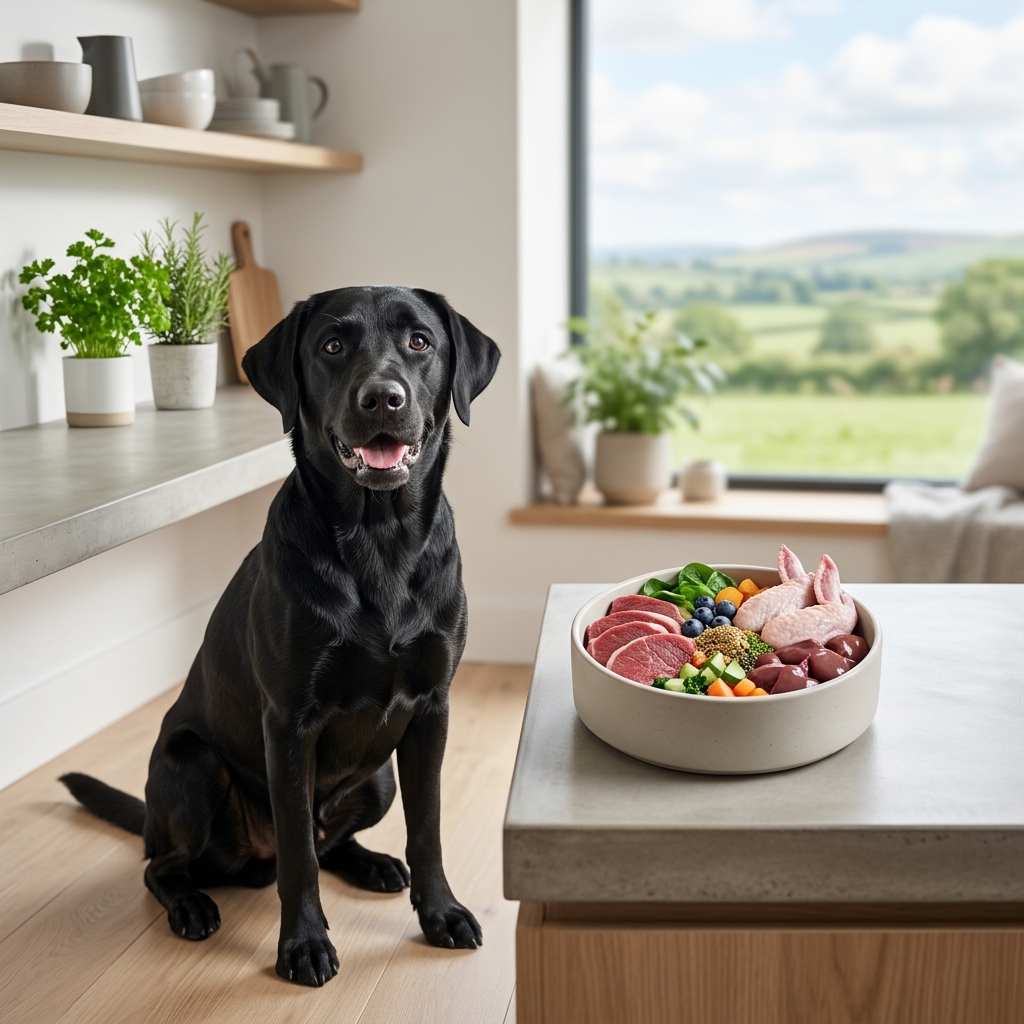
Benefits of Raw Feeding: Is it Right for Your Dog?
Proponents of raw feeding cite numerous potential benefits. These include:
- Improved Digestion: Raw food is generally easier to digest for dogs, leading to smaller, firmer stools.
- Healthier Skin and Coat: The high fat content (particularly omega-3 and omega-6 fatty acids) in raw diets can result in a shinier coat and reduced skin allergies.
- Increased Energy Levels: Many owners report their dogs exhibiting higher energy levels and improved stamina on a raw diet.
- Better Dental Health: Chewing on raw meaty bones helps to naturally clean teeth and reduce plaque buildup.
- Potential Allergy Relief: Eliminating common allergens found in processed foods (like wheat, corn, and soy) can alleviate allergy symptoms.
However, raw feeding isn’t suitable for all dogs. Dogs with compromised immune systems (e.g., undergoing chemotherapy, those with autoimmune diseases) are at a higher risk of bacterial infection. Puppies require carefully formulated raw diets to support their rapid growth. Always consult with your veterinarian before switching your dog to a raw diet.
Understanding UK Regulations and Legalities (2026)
In the UK, the production and sale of pet food, including raw food, are governed by the Pet Food and Animal Medicine Regulations 2015, overseen by DEFRA (Department for Environment, Food & Rural Affairs). Regulations are continually reviewed, and as of 2026, producers are facing increased scrutiny regarding hygiene standards and traceability.
Key points to consider:
- HACCP Compliance: Reputable raw food producers should operate under a Hazard Analysis and Critical Control Points (HACCP) system, ensuring food safety.
- Traceability: Producers must be able to trace ingredients back to their source.
- Safe Handling: Consumers are responsible for the safe handling and storage of raw food to prevent bacterial contamination. This includes proper refrigeration, freezing, and hygiene practices.
While there haven’t been radical changes in legislation as of 2026, DEFRA is expected to introduce stricter guidelines regarding salmonella and E. coli testing in raw pet food in late 2026/early 2027.
Components of a Balanced Raw Diet
A balanced raw diet isn’t simply throwing some meat into a bowl. It requires a specific composition to meet a dog’s nutritional needs.
- Muscle Meat (70-80%): Provides protein and essential amino acids.
- Bone (10%): Crucial for calcium and phosphorus, supporting bone health and dental hygiene. *Never feed cooked bones!*
- Organ Meat (10%): Rich in vitamins and minerals. Liver (5%) and kidney (5%) are essential. Spleen, pancreas, and other organs can be included in smaller amounts.
- Optional Additions (0-10%): Fruits and vegetables can provide additional vitamins, minerals, and fiber.
Maintaining the correct calcium-to-phosphorus ratio is vital (approximately 1:1 to 2:1). This is naturally achieved when feeding appropriate amounts of bone alongside muscle meat and organ meat.
Getting Started with Raw Feeding: A Step-by-Step Guide
- Research: Thoroughly understand the principles of raw feeding and your dog’s nutritional requirements.
- Gradual Transition: Introduce raw food slowly, starting with a small percentage (e.g., 10%) mixed with your dog’s current food. Gradually increase the raw food percentage over 7-10 days.
- Monitor Digestion: Expect some initial digestive upset (loose stools) as your dog’s gut adjusts. Reduce the amount of raw food if necessary.
- Calculate Portion Sizes: Adult dogs typically need 2-3% of their body weight in raw food per day, adjusted based on activity level. Puppies require more.
- Supplement if Necessary: Depending on the diet composition, supplements like omega-3 fatty acids or kelp may be beneficial.
Raw Dog Food Options in the UK (2026)
- Pre-Made Complete Raw Meals: Convenient but often the most expensive option.
- DIY Raw Feeding: Requires more time and effort but allows for complete control over ingredients.
- Partially Prepared Options: Minced meat blends that require you to add bone meal or organs.
Sourcing high-quality ingredients is essential. Look for human-grade meat from reputable suppliers. Consider organic and free-range options whenever possible.
Top Raw Dog Food Brands in the UK (2026)
Here’s a comparison of some leading brands:
| Brand | Product | Price (per unit) | Ingredients (Key) | Customer Rating (out of 5) |
|---|---|---|---|---|
| Butcher’s Block Raw | Complete Meal (500g) | £6.50 | 80% Beef, 10% Bone, 10% Offal | 4.5 |
| Natures Menu | Countryside Complete (1.5kg) | £22.99 | 85% Meat & Bone, 15% Fruit & Vegetables | 4.2 |
| ProRaw | Chicken & Beef Complete (800g) | £14.50 | 60% Chicken, 20% Beef, 20% Bone/Offal | 4.0 |
| Paleo Ridge | Lamb & Tripe Complete (500g) | £7.25 | 80% Lamb & Tripe, 10% Bone, 10% Offal | 4.7 |
| Benyfit Natural | Frozen Raw Food Minced Beef (1kg) | £9.00 | 100% British Beef | 3.8 |
| Pet Kitchen | Complete Raw Meal Chicken & Veg (600g) | £10.99 | 75% Chicken, 10% Bone, 15% Vegetables | 4.3 |
| Dogly Raw | Turkey & Liver Complete (500g) | £8.00 | 80% Turkey, 10% Liver, 10% Bone | 4.1 |
| Bella & Duke | Beef Feast (750g) | £17.50 | 85% Beef, 10% Offal, 5% Bone | 4.6 |
| Waggraw | Chicken & Vegetable Complete (1kg) | £12.00 | 80% Chicken, 10% Vegetables, 10% Bone | 3.9 |
| Frosts Raw | Complete Chicken & Tripe (1kg) | £11.50 | 70% Chicken, 20% Tripe, 10% Bone | 4.4 |
Raw Feeding Costs: Budgeting for a Raw Diet in the UK (2026)
Raw feeding can be more expensive than traditional dog food, but the cost varies greatly depending on the approach.
- DIY: £50-£100 per month for a medium-sized dog.
- Pre-Made: £80-£200+ per month for a medium-sized dog.
- Storage: Freezer space is a significant cost.
- Veterinary: Potential for increased vet visits initially due to digestive adjustments.
Compared to dry food (approx. £40-£80/month) or wet food (£60-£120/month) for a medium-sized dog, raw feeding generally represents a higher upfront investment.
Safe Handling & Storage of Raw Dog Food
- Freezing: Freeze raw food immediately upon purchase.
- Thawing: Thaw in the refrigerator, *never* at room temperature.
- Hygiene: Wash hands, bowls, and surfaces thoroughly with hot, soapy water after handling raw food.
- Separate Cutting Boards: Use separate cutting boards for raw meat and other foods.
- Proper Disposal: Dispose of leftover raw food and packaging hygienically.
While the risk of bacterial contamination is present, following these guidelines minimizes the risk to both your dog and your family.
Frequently Asked Questions (FAQ) about Raw Feeding
Is raw feeding nutritionally complete?
Yes, if formulated correctly. A well-balanced raw diet provides all the nutrients a dog needs. DIY raw feeding requires careful planning to ensure completeness. Pre-made complete meals are formulated to meet AAFCO standards.
Is it safe to feed my dog bones?
Raw, meaty bones are safe and beneficial for dogs. *Never* feed cooked bones, as they can splinter and cause injury. Always supervise your dog when they are chewing on a bone.
Can all breeds and ages eat a raw diet?
Generally, most healthy adult dogs can thrive on a raw diet. Puppies and dogs with compromised immune systems require special consideration and veterinary guidance. Large breed puppies need a carefully balanced diet to prevent rapid growth issues.
What about the risk of salmonella and E. coli?
While raw meat can contain bacteria, a healthy dog’s digestive system is well-equipped to handle it. The risk of infection is low, but proper handling and hygiene practices are crucial to minimize any risk to both dog and owner.
Is raw feeding expensive?
It can be, especially if you choose pre-made meals. DIY raw feeding can be more cost-effective but requires more time and effort to source and prepare ingredients.