
Table of Contents
Introduction: Finding Your Perfect Pooch
Bringing a dog into your life is a wonderfully rewarding experience, but it’s a decision that shouldn’t be taken lightly. The UK remains a nation of dog lovers, with ownership consistently high, but trends are shifting towards more considered breed choices, prioritising temperament and suitability for modern lifestyles. A mismatch between your lifestyle and a dog’s needs can lead to frustration for both you and the animal, potentially resulting in rehoming – a situation best avoided. This guide will walk you through the key considerations to help you find your perfect canine companion in 2026.
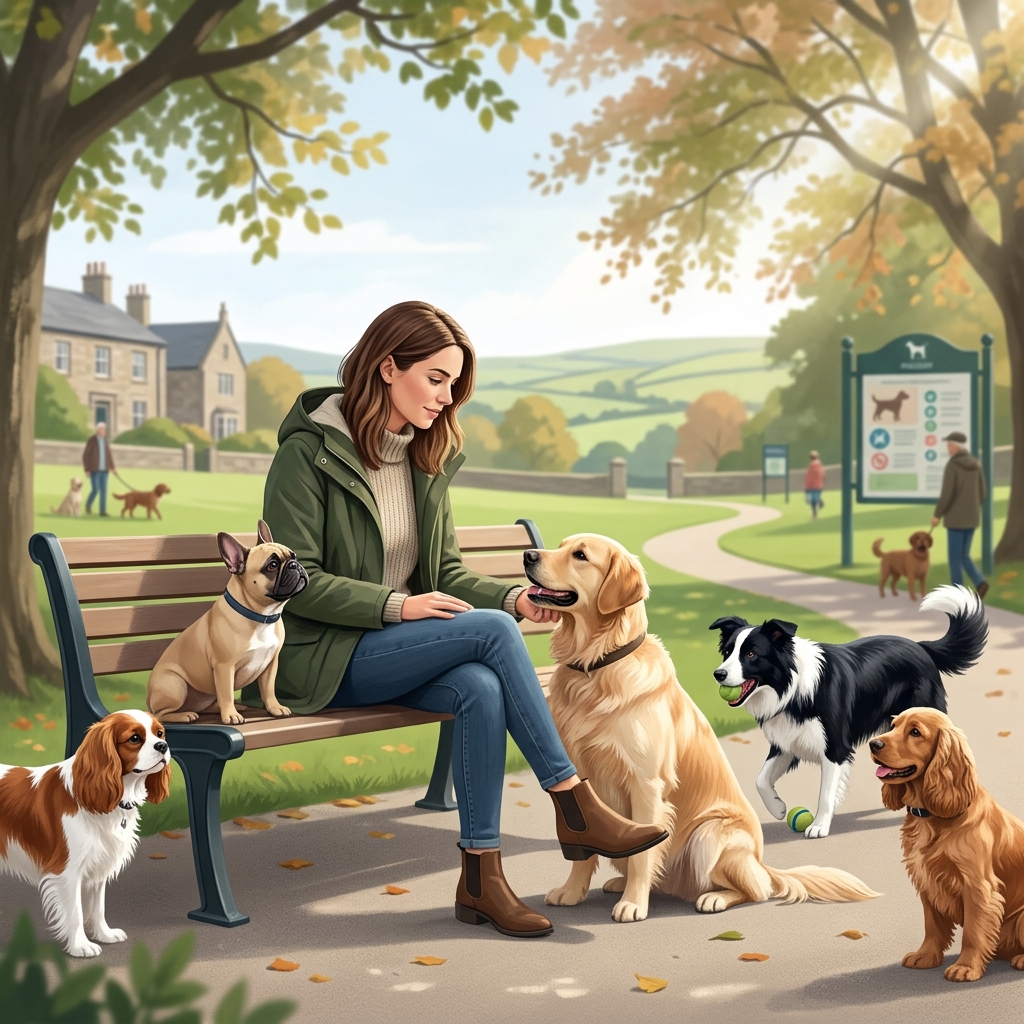
Understanding Your Lifestyle
Before you even start looking at adorable puppy pictures, honest self-assessment is crucial. Consider these factors:
Living Space
Do you live in a spacious house with a large garden, or a compact flat? Larger breeds obviously require more space, both indoors and outdoors. Smaller breeds can adapt to apartment living, but still need regular walks.
Family Situation
Are there children in the household? Some breeds are known for their patience and gentleness with children, while others might be better suited to adult-only homes. Do you have other pets? Consider how a new dog will integrate with existing companions.
Activity Level
Are you an avid hiker or a homebody? High-energy breeds like Border Collies need significant daily exercise, while more laid-back breeds like Bulldogs are content with shorter walks. Be realistic about how much time you can dedicate to physical activity.
Time Commitment
Dogs require a considerable time commitment for training, grooming, playtime, and vet visits. Do you work long hours? Can you afford to hire a dog walker (DogBuddy Dog Walking Services (from £20/walk)) or send your dog to daycare?
Quick Self-Assessment Checklist:
- Space: House/Garden (Yes/No) / Flat (Yes/No)
- Children: Present (Yes/No) / Ages: _____
- Other Pets: Present (Yes/No) / Type(s): _____
- Activity Level: High/Moderate/Low
- Time Available: Full-time/Part-time/Limited
Dog Breed Groups Explained
The Kennel Club categorizes dogs into seven groups, offering a good starting point for your research. You can find detailed breed information on their website: The Kennel Club
- Hound: Bred for hunting, these dogs often have strong scent-tracking abilities. (e.g., Beagle, Greyhound)
- Terrier: Originally bred to hunt vermin, Terriers are often energetic and independent. (e.g., Jack Russell, Staffordshire Bull Terrier)
- Working: These dogs were bred to perform jobs such as guarding, pulling sleds, or assisting with water rescues. (e.g., German Shepherd, Siberian Husky)
- Toy: Small companion dogs, often bred for companionship. (e.g., Yorkshire Terrier, Chihuahua)
- Utility: A diverse group of breeds, often with a history of performing various tasks. (e.g., Bulldog, Poodle)
- Pastoral: Bred to herd livestock, these dogs are intelligent and energetic. (e.g., Border Collie, Old English Sheepdog)
- Gundog: Bred to assist hunters in retrieving game. (e.g., Labrador Retriever, Golden Retriever)
Popular Dog Breeds in the UK: A Deep Dive
Here’s a closer look at some of the most popular and trending breeds in the UK in 2026:
Labrador Retriever
Temperament: Friendly, outgoing, intelligent. Exercise: High. Grooming: Moderate. Health: Hip and elbow dysplasia. Suitability: Excellent family dog, adaptable to various lifestyles.
French Bulldog
Temperament: Playful, affectionate, adaptable. Exercise: Moderate. Grooming: Low. Health: Brachycephalic airway syndrome, skin allergies. Suitability: Good for apartment living, but prone to overheating.
Cocker Spaniel
Temperament: Energetic, intelligent, affectionate. Exercise: High. Grooming: High. Health: Progressive retinal atrophy, ear infections. Suitability: Active families, requires regular grooming.
Golden Retriever
Temperament: Intelligent, friendly, devoted. Exercise: High. Grooming: Moderate. Health: Hip dysplasia, cancer. Suitability: Excellent family dog, loves to please.
Dachshund
Temperament: Playful, courageous, stubborn. Exercise: Moderate. Grooming: Moderate. Health: Intervertebral disc disease. Suitability: Good for apartment living, but can be vocal.
Border Collie
Temperament: Intelligent, energetic, eager to please. Exercise: Very High. Grooming: Moderate. Health: Hip dysplasia, Collie eye anomaly. Suitability: Active owners who can provide plenty of mental and physical stimulation.
German Shepherd
Temperament: Loyal, intelligent, protective. Exercise: High. Grooming: Moderate. Health: Hip and elbow dysplasia. Suitability: Experienced owners, needs consistent training.
Staffordshire Bull Terrier
Temperament: Affectionate, courageous, playful. Exercise: Moderate. Grooming: Low. Health: Skin allergies, hip dysplasia. Suitability: Loving family companion with proper training and socialisation.
Poodle (Standard, Miniature, Toy)
Temperament: Intelligent, playful, hypoallergenic. Exercise: Moderate to High (depending on size). Grooming: High. Health: Progressive retinal atrophy, hip dysplasia. Suitability: Versatile breed, suitable for many lifestyles.
Beagle
Temperament: Curious, friendly, scent-driven. Exercise: Moderate. Grooming: Low. Health: Glaucoma, epilepsy. Suitability: Active families, needs secure fencing.
Cavalier King Charles Spaniel
Temperament: Affectionate, gentle, playful. Exercise: Moderate. Grooming: Moderate. Health: Mitral valve disease, syringomyelia. Suitability: Excellent companion dog, good with children.
Miniature Schnauzer
Temperament: Playful, intelligent, protective. Exercise: Moderate. Grooming: Moderate. Health: Pancreatitis, bladder stones. Suitability: Good watchdog, adaptable to apartment living.
Yorkshire Terrier
Temperament: Affectionate, playful, bold. Exercise: Low. Grooming: High. Health: Portosystemic shunt, tracheal collapse. Suitability: Companionship, apartment living.
Shih Tzu
Temperament: Affectionate, playful, outgoing. Exercise: Low. Grooming: High. Health: Brachycephalic airway syndrome, eye problems. Suitability: Companionship, indoor lifestyle.
Pug
Temperament: Playful, charming, mischievous. Exercise: Low. Grooming: Low. Health: Brachycephalic airway syndrome, eye problems. Suitability: Companionship, indoor lifestyle.
Considering Rescue Dogs vs. Puppies
Both options have their merits:
Rescue Dogs:
- Pros: Often already house-trained, known personality, saves a life, generally lower initial cost.
- Cons: May have unknown history or behavioural issues, potential for pre-existing health conditions.
Puppies:
- Pros: Opportunity to raise and train from a young age, known history (if from a reputable breeder).
- Cons: Requires significant time and effort for training and socialization, higher initial cost.
Reputable Rescue Organisations: Dogs Trust, RSPCA, Blue Cross.
Health Concerns & Genetic Testing
Many breeds are prone to specific health issues. Responsible breeders will conduct health testing on their breeding dogs to minimize the risk of passing on genetic conditions. Consider Petplan Pet Insurance (from £20/month) to help cover unexpected vet bills. Preventative care, such as regular vaccinations and parasite control (Frontline Spot On Flea and Tick Treatment (from £10/pack)), is essential.
Budgeting for a Dog: Costs Beyond the Purchase Price
Dog ownership is expensive! Here’s a breakdown of estimated annual costs:
- Food: £400 – £800 (depending on breed and diet – Royal Canin Breed Specific Food (from £45/bag) or Lily’s Kitchen Grain-Free Dog Food (from £50/bag))
- Vet Bills: £200 – £500 (routine check-ups, vaccinations)
- Grooming: £100 – £600 (depending on breed and frequency – Groomers Online Gift Voucher (£30))
- Toys & Bedding: £100 – £200
- Insurance: £240 – £600+
- Training: £50 – £300
- Miscellaneous: £100 – £200 (boarding, dog walking, etc.)
- Total Estimated Annual Cost: £1190 – £3200+
Finding a Reputable Breeder (UK)
Look for breeders who:
- Are registered with the Kennel Club Accredited Breeder Scheme.
- Health test their breeding dogs.
- Allow you to visit their premises and meet the puppy’s parents.
- Are knowledgeable about the breed and happy to answer your questions.
- Provide a contract of sale and health guarantees.
Red Flags: Breeders who always have puppies available, allow multiple litters per year, or are unwilling to show you their facilities.
Preparing Your Home for a New Dog
Puppy-proof or dog-proof your home by removing hazards like electrical cords, toxic plants, and cleaning supplies. Essential supplies include a comfortable bed, food and water bowls, a leash and collar (Ancol Reflective Dog Lead (£12)), toys (Kong Classic Dog Toy (£15)), and a secure microchip dog door (PetSafe Staywell Microchip Cat/Dog Door (£80)).
Final Thoughts: Making the Right Choice
Choosing the right dog breed is a big decision. Take the time to thoroughly research different breeds, honestly assess your lifestyle, and be prepared to commit to providing a loving and supportive home for many years to come. Consider a BarkBox Subscription (from £25/month) to keep your new furry friend entertained! The rewards of a well-matched partnership are immeasurable.
FAQ
What is the most popular dog breed in the UK in 2026?
The French Bulldog continues to be incredibly popular, however the Labrador Retriever remains a firm favourite and is consistently near the top of the list.
How much does it cost to own a dog in the UK per year?
As detailed above, annual costs can range from approximately £1190 to £3200+, depending on the breed, your location, and your lifestyle.
Should I get a puppy or an adult dog?
That depends on your experience, lifestyle, and patience! Puppies require a significant time commitment for training, while adult dogs may already be house-trained and have established personalities.
What health issues should I be aware of when choosing a breed?
Each breed is prone to certain health conditions. Research the specific breed you’re interested in and ask the breeder about health testing results. Consider pet insurance to help cover unexpected veterinary costs.
Where can I find a reputable dog breeder in the UK?
Look for breeders registered with the Kennel Club Accredited Breeder Scheme. Always visit the breeder’s premises and meet the puppy’s parents before making a decision.